
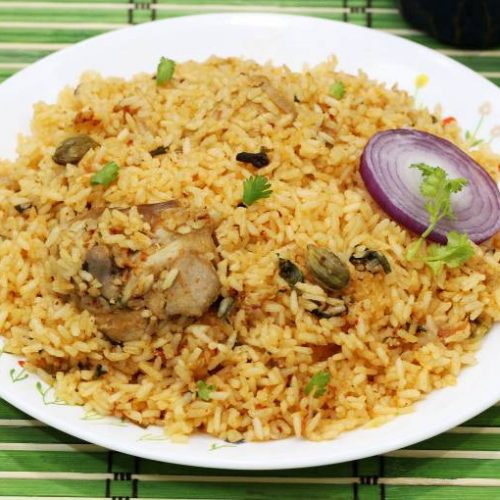
Rice is one of the rare foods that can change personality without changing its name. One bowl is light, separate, and fragrant. Another is glossy, tender, and easy to gather with chopsticks or the fingers. A third is soft, slow, spoonable, and comforting before the first full bite.
All three can be correct.
The difference is not simply whether the cook used more or less water. Rice texture comes from the relationship between grain variety, surface starch, liquid, heat, stirring, resting, and the food tradition behind the dish. A fluffy pilaf is not trying to become sticky rice. A sticky rice bowl is not failed pilaf. A creamy risotto, congee, arroz caldo, rice pudding, or rice porridge is not automatically overcooked when softness is the goal.
This guide is designed as an evergreen culinary reference for understanding rice texture across different cooking traditions. It explains three useful texture styles for home cooks and food readers: fluffy, sticky, and creamy rice. Instead of treating those words as vague adjectives, it looks at what each texture means, why different food cultures value different rice textures, and how cooking choices shape the result.
This is not a recipe for one national dish. It is a texture guide: a practical way to understand why rice behaves the way it does across many kitchens.
Utility Box: Quick Rice Texture Guide
| Texture Style | Best Description | Main Goal | Main Texture Control | Common Uses | |---|---|---|---|---| | Fluffy rice | Separate grains, light body, little clumping | Each grain keeps its outline | Rinsing, measured water, gentle cooking, resting | Pilaf, biryani-style rice, rice bowls, side dishes | | Sticky rice | Tender grains that cling together | Rice gathers, holds shape, or lifts easily | Rice variety, soaking, steaming, controlled moisture | East and Southeast Asian meals, rice balls, hand-shaped portions | | Creamy rice | Soft grains suspended in thickened liquid | Rice releases starch into the cooking liquid | Extra liquid, stirring, slow cooking, gradual hydration | Risotto, congee, rice porridge, rice pudding |
Fast rule: If you want separate grains, protect the grain surface. If you want cling, choose the right rice and control moisture. If you want creaminess, encourage starch release.
Who This Article Is / Is Not For
This article is for readers who want to understand rice texture across food traditions, not just follow one fixed recipe. It is especially useful if you have ever wondered why one rice dish should be fluffy while another should be sticky, chewy, soft, or spoonable.
It is for home cooks who are confused by labels such as long-grain, short-grain, medium-grain, jasmine, basmati, arborio, glutinous rice, sushi rice, and sticky rice. It is also for food writers, recipe developers, and curious eaters who want better language for describing rice texture.
This article is not for readers looking for a strict medical nutrition plan, a weight-loss guide, infant-feeding advice, or a definitive judgment about cultural authenticity. It also does not replace the instructions on a rice package, a rice cooker manual, or public food-safety guidance.
Rice is simple. Rice traditions are not simplistic. That difference matters.
The Three-Part Texture Model: Grain, Surface, Liquid
In practical cooking, most rice texture problems can be traced to one of three places: the grain lost structure, the surface released too much starch, or the liquid did not match the dish. That is why this guide uses grain, surface, and liquid as its main texture model. It is not meant to replace package instructions or traditional cooking methods. It is a diagnostic lens: when rice turns gummy, watery, dry, chalky, or too loose, the model helps identify what to adjust first.
1. The Grain
The grain is the structure of the rice itself. Long-grain rice tends to cook into more separate grains. Short-grain and medium-grain rice often have more cling. Some varieties are selected for fragrance, firmness, softness, chew, or stickiness.
The International Rice Research Institute explains rice grain quality through factors such as amylose content, gelatinization temperature, texture, aroma, and cooking behavior. The kitchen meaning is straightforward: different rice types are not interchangeable when texture matters. Reference: International Rice Research Institute - Grain Quality
A cook does not need a laboratory to notice the difference. Basmati, jasmine, arborio, glutinous rice, and short-grain table rice all respond differently to heat and water. The first texture decision is often made before the pot reaches the stove.
2. The Surface
The surface of the grain carries loose starch. Rinsing removes some of that starch. Stirring can release more. Soaking changes how water enters the grain. Toasting rice in fat can coat the surface and help grains stay distinct.
When people argue about whether rice should be rinsed, they are often arguing about surface behavior without naming it. For fluffy rice, excess surface starch can make grains glue together. For creamy rice, released starch is part of the desired texture. For sticky rice, cling is welcome, but the right variety matters more than simply leaving rice unrinsed.
3. The Liquid
Liquid is not just water. It can be broth, stock, milk, coconut milk, seasoned water, or a cooking base with aromatics. Liquid affects hydration, flavor, and final body. A fluffy rice dish usually needs enough liquid to cook the grains without leaving a soupy finish. A creamy rice dish needs enough liquid to let starch move into the surrounding medium.
The mistake is thinking one water ratio can solve every rice texture problem. Texture is not a universal ratio. It is a planned result.
Fluffy Rice: The Art of Separation
Fluffy rice is rice that keeps a clean grain outline. The grains may be tender, fragrant, and moist, but they should not collapse into paste or drag together in heavy clumps. When a spoon or fork moves through fluffy rice, the grains loosen rather than smear.
This texture is valued in dishes where rice acts as a base, companion, or carrier of flavor. In pilaf traditions, seasoned rice often needs to remain distinct so aromatics, spices, vegetables, nuts, or meat can move through the dish evenly. In many long-grain rice preparations, separation is part of the pleasure. The rice should feel light, not heavy.
Fluffy rice usually depends on four controls: the right grain, a clean surface, measured hydration, and a proper rest after cooking.
Long-grain rice is often the easiest path to a fluffy result. Basmati and many long-grain varieties are known for a lighter, more separate texture when handled well. Jasmine rice can also be fluffy, though it often has a softer and slightly more clinging character than basmati. That does not make one better. It simply means they express fluffiness differently.
Rinsing is often helpful because it removes loose surface starch that can cause gumminess. The goal is not to wash away the rice’s identity. The goal is to remove the powdery coating that turns separate grains into a sticky layer. A few changes of water are usually enough for everyday cooking.
A brief soak can help some long-grain rice cook more evenly, especially basmati. Soaking lets water begin entering the grain before heat is applied. That can reduce breakage and help the grain lengthen. But soaking is not a magic step for every rice. Some rice becomes too soft if soaked too long, especially if the cook does not adjust the water later.
Heat control matters. Fluffy rice does not like constant disturbance. Once the pot is covered and simmering, frequent stirring can break grains and release starch. A steady simmer, covered pot, and patient rest usually produce a better result than nervous checking.
The rest is often the hidden step. After cooking, rice continues to settle. Steam redistributes. Moisture evens out. The grains firm slightly as they stop actively boiling. Skipping the rest can make rice seem wet at the bottom and dry at the top. Resting helps the whole pot become more even.
Fluffy Rice Texture Checklist
Use this checklist when you want separate grains:
- Choose long-grain rice when the dish depends on separation.
- Rinse until the water is less cloudy, not necessarily perfectly clear.
- Avoid excessive stirring after the rice begins cooking.
- Use a covered pot or rice cooker that traps steam evenly.
- Let the rice rest before fluffing.
- Fluff gently from the edges rather than pressing down through the center.
Common Mistake: Treating Wet Rice as Undercooked Rice
One common mistake is adding more water the moment rice looks wet. Wet rice is not always undercooked. Sometimes it is fully cooked but has not rested. Sometimes the bottom is holding extra steam. Sometimes the rice was stirred too much and surface starch has made the liquid look thicker than it really is.
Before adding more water, check the grain. If the center is still hard, it needs more cooking. If the grain is tender but the pot looks steamy or slightly damp, it likely needs resting.
Sticky Rice: The Art of Cling
Sticky rice is not just rice that accidentally clumped. Intentional sticky rice has a texture that lets grains hold together while still feeling pleasant to eat. It may be glossy, chewy, soft, or gently elastic depending on the variety and cooking method.
This texture matters in many East Asian and Southeast Asian food traditions, where rice is not always meant to scatter. Rice that clings can be shaped, lifted, dipped, wrapped, or eaten in compact bites. In some meals, sticky or clinging rice is practical. In others, it is ceremonial, seasonal, or tied to a particular dish.
The most important point is that sticky rice begins with rice choice. Glutinous rice, also called sticky rice or sweet rice, is naturally very sticky after cooking. The word “glutinous” refers to its glue-like texture, not wheat gluten. Plain rice does not contain wheat gluten, though packaged products, seasonings, or shared processing environments should be checked by people with allergy or medical concerns.
Short-grain and medium-grain rice can also cook into a clinging texture. Japanese-style short-grain rice, Korean short-grain rice, and some Chinese short-grain rice varieties are designed to hold together better than long-grain rice. This is useful for rice bowls, rice balls, sushi-style preparations, and meals where chopsticks are used.
Sticky rice often uses soaking and steaming rather than boiling in excess water. Soaking helps hydrate the grain before cooking. Steaming then cooks the rice with vapor rather than direct simmering. This can create a chewy, cohesive texture without turning the rice watery.
For short-grain table rice, the method may be different. The rice is often rinsed, drained, cooked with measured water, and rested. Rinsing does not eliminate stickiness because the grain itself encourages cling. Instead, rinsing helps the final texture taste clean and prevents surface paste from becoming excessive.
Sticky rice asks for balance. Too little water leaves the center firm or chalky. Too much water turns pleasant cling into heaviness. Too much stirring makes the rice pasty. The ideal sticky texture holds together without losing the identity of the grains.
Sticky Rice Texture Checklist
Use this checklist when you want rice that clings:
- Choose glutinous rice for true sticky rice.
- Choose short-grain or medium-grain rice for gentle everyday cling.
- Soak when the tradition or package instructions call for it.
- Steam glutinous rice when you want chew and structure.
- Rest cooked rice before shaping or serving.
- Do not assume long-grain rice will become good sticky rice just by adding extra water.
Common Mistake: Making Sticky Rice by Overwatering Any Rice
Adding too much water to long-grain rice does not create proper sticky rice. It usually creates soft, broken, wet rice. The texture may clump, but it will not have the same chew or structure as rice chosen for stickiness.
Sticky rice is not a rescue method. It is a style. Start with the right grain.
Creamy Rice: The Art of Release
Creamy rice is built on a different idea. Instead of protecting the grain surface or preserving clean separation, creamy rice invites starch into the cooking liquid. The result is a soft, spoonable dish where rice and liquid become one texture.
Creamy rice appears in many traditions. Italian risotto depends on short- or medium-grain rice that can release starch while still keeping some bite. Congee and other rice porridges use more liquid and longer cooking to create softness and comfort. Rice pudding uses milk or another creamy liquid to turn rice into dessert. Across cultures, creamy rice often appears where warmth, softness, and slow eating are valued.
Creamy rice does not always mean rich. A rice porridge made with water can still be creamy because starch thickens the liquid. A risotto may taste luxurious because of stock, cheese, butter, or olive oil, but its body still depends heavily on rice starch. A rice pudding may be sweet and dairy-based, but again, the rice is doing structural work.
The key controls are rice variety, liquid amount, agitation, and time.
Short- and medium-grain rice are often better suited for creamy dishes because they can release starch while still giving structure. Arborio, Carnaroli, and other risotto rices are famous for this balance. Some short-grain rice can make excellent porridge. Long-grain rice can be used in creamy dishes, but it may produce a different texture: softer grains in liquid rather than the same integrated creaminess.
Stirring is a tool here, not a mistake. In fluffy rice, stirring can damage separation. In creamy rice, stirring helps release starch and build body. But constant aggressive stirring is not always necessary. The right motion depends on the dish. Risotto often uses repeated stirring and gradual liquid addition. Congee may require occasional stirring to prevent sticking, but long cooking and excess liquid do much of the work.
Liquid should be added with intention. In creamy rice, extra liquid is not a failure. It is the environment that lets rice soften and release starch. The question is not, “How do I keep this dry?” The question is, “How thick should the final spoonful be?”
Creamy Rice Texture Checklist
Use this checklist when you want softness and body:
- Choose rice that can release starch without disappearing too quickly.
- Use more liquid than you would for fluffy rice.
- Stir enough to encourage starch release or prevent sticking.
- Cook until the liquid and rice feel connected.
- Adjust thickness near the end, not at the beginning.
- Let the dish stand briefly if it needs to thicken before serving.
Common Mistake: Calling All Soft Rice Overcooked
Soft rice is not automatically overcooked. In a fluffy rice dish, mushiness may be a mistake. In congee, rice pudding, or some rice porridges, softness is the goal.
The better question is: does the texture match the dish?
Fluffy, Sticky, and Creamy Compared
The three texture styles differ mainly in how they manage starch.
Fluffy rice keeps starch behavior controlled so each grain remains distinct. Sticky rice welcomes cling, but still needs structure. Creamy rice invites starch into the liquid until the rice and cooking medium become one soft texture.
That is why one technique cannot serve every rice tradition. Rinsing, soaking, stirring, steaming, covering, and resting all change meaning depending on the desired result. The same action that protects fluffy rice may weaken creamy rice; the same moisture that helps sticky rice may ruin a pilaf.
The Rice Texture Decision Map
Before cooking rice, ask five questions.
1. Should the grains separate or gather?
If the grains should separate, think fluffy. If they should gather, think sticky. If they should soften into a spoonable base, think creamy.
2. Will the rice carry sauce, absorb sauce, or become the sauce?
Fluffy rice often carries sauce. Sticky rice gathers sauce. Creamy rice becomes part of the sauce, broth, or milk around it.
3. Will the rice be eaten with a fork, spoon, chopsticks, hand, or wrapped food?
Eating method matters. Rice that scatters beautifully on a plate may be frustrating in a hand-shaped food. Rice that clings perfectly in a bowl may feel too heavy beside a dry grilled dish.
4. Is the rice the main texture or the quiet base?
If rice is the quiet base, it should support the dish without dominating it. If rice is the main texture, its chew, softness, fragrance, or creaminess deserves more attention.
5. Is the dish traditional, adapted, or personal?
Traditional dishes often have texture expectations. Adapted dishes may allow flexibility. Personal cooking allows preference. Problems begin when a cook changes the rice texture without realizing the dish depends on it.
What NOT To Do / Common Mistakes
Do not use one rice type for every dish
A single bag of rice can be convenient, but it cannot create every texture equally well. Long-grain rice, short-grain rice, glutinous rice, and risotto rice behave differently. If texture matters, rice choice matters.
Do not assume more water means better softness
More water can soften rice, but it can also break structure, dilute flavor, and create a gummy finish. The right amount of water depends on grain type, cooking method, pot design, and desired result.
Do not stir fluffy rice like risotto
Stirring releases starch and can break grains. That is useful for creamy rice, not for fluffy rice.
Do not skip resting
Resting is not wasted time. It allows steam and moisture to settle. Many rice problems improve after a covered rest.
Do not judge every rice dish by one standard
A rice texture that seems unfamiliar may be intentional in its own tradition. The question is not whether the rice matches one universal ideal. The question is whether it matches the food it belongs to.
Do not ignore food safety
Cooked rice should be handled like other perishable cooked foods. The USDA Food Safety and Inspection Service advises refrigerating leftovers within safe time limits and keeping leftovers properly chilled. See: USDA FSIS - Leftovers and Food Safety
This article explains texture, but safe storage still matters.
Rice Texture and Tradition
Rice texture is not just a technical result. It often carries cultural expectation.
A rice dish served with a dry stir-fry may need separation. Rice eaten with the hands may need gentle cling. A rice porridge may be valued for softness, warmth, and comfort rather than grain distinction.
This is why texture should not be judged by one universal standard. A bowl of sticky rice is not failed fluffy rice. A creamy porridge is not ruined pilaf. Each belongs to a different eating logic.
That eating logic is shaped by grain varieties, cooking vessels, fuel, climate, family habit, and serving style. A bamboo steamer, clay pot, rice cooker, saucepan, pressure cooker, and wide risotto pan do not produce the same experience. Neither do all households within the same food culture.
Texture is cultural knowledge as much as kitchen technique. It is carried through repetition: how rice is rinsed, how it is rested, how it is served, and how people expect it to feel in the mouth.
How to Adjust Rice Texture Without Starting Over
Sometimes rice does not land exactly where you want it. Not every pot can be fully rescued, but many can be improved.
If fluffy rice is slightly wet but tender, leave it covered off the heat for several minutes, then fluff gently. If it is very wet, spread it on a tray for a few minutes before serving. If it is undercooked and dry, add a small splash of hot water, cover, and steam gently.
If sticky rice is too dry, steam it a little longer with added moisture nearby, not poured aggressively into the rice. If it is too wet, uncovering briefly may help, but overhydrated sticky rice rarely becomes perfect.
If creamy rice is too thick, add hot liquid gradually and stir. If it is too thin, cook a little longer uncovered, stirring to prevent sticking. Creamy rice is often the easiest to adjust because liquid is part of the design.
The safest adjustment is small. Rice changes quickly near the end of cooking.
What This Article Does Not Claim
This article does not claim that one rice texture is healthier, more authentic, or more correct than another. It does not provide medical, infant-feeding, contaminant, or nutrition advice, and it does not replace package instructions, food-safety guidance, or traditional cooking knowledge.
Its purpose is narrower: to help readers understand why rice becomes fluffy, sticky, or creamy, and how cooking choices shape those results.
Why You Can Trust This Article
This guide was edited as a practical culinary reference rather than a recipe claim, product recommendation, or nutrition plan. Its main framework — grain, surface, and liquid — is used consistently throughout the article to explain why different rice textures require different choices.
Where the article touches on technical or safety points, it relies on recognized public sources, including rice-quality information from the International Rice Research Institute and leftover food-safety guidance from USDA FSIS. Cultural examples are used broadly and cautiously, without claiming to define any cuisine as a whole.
How This Article Was Reviewed
This article was reviewed for four things: whether the texture categories were clearly separated, whether the cooking advice stayed practical, whether cultural examples were described cautiously, and whether food-safety references were limited to points directly relevant to home rice handling.
The article does not rank one rice tradition above another. It explains texture as a cooking goal, not as a measure of cultural value.
FAQ
Is fluffy rice better than sticky rice?
No. Fluffy rice and sticky rice serve different purposes. Fluffy rice works well when separate grains are desired. Sticky rice works well when rice should gather, hold shape, or pair with certain eating styles and dishes.
Why does my rice turn gummy?
Rice often turns gummy because of excess surface starch, too much water, too much stirring, or insufficient resting. The rice variety may also be naturally clingy. If you want fluffy rice, rinse well, use measured water, avoid stirring during cooking, and let the rice rest.
Can I make sticky rice with regular long-grain rice?
You can make long-grain rice clump by adding water, but it will not behave like true sticky rice. For proper sticky rice, use glutinous rice or a short-grain rice suited to clinging textures.
Is glutinous rice gluten-free?
Plain rice does not contain wheat gluten. The word “glutinous” describes a sticky texture. However, people with gluten-related concerns should still check packaging and preparation conditions because seasonings, sauces, or cross-contact may matter.
Why is risotto creamy if it does not always use cream?
Risotto can become creamy because rice starch releases into the cooking liquid during stirring and gradual hydration. Dairy can add richness, but starch is central to the texture.
Should rice always be rinsed?
No. Rinsing is helpful when the goal is cleaner grain separation or reduced surface starch, but it is not universal. Some creamy rice dishes depend on surface starch, so aggressive rinsing can weaken the final texture.
Does soaking rice always improve texture?
Not always. Soaking helps some rice cook more evenly and is important in certain traditional methods, but it can make other rice too soft. Soaking should match the rice type and the texture goal.
Why does rice need to rest after cooking?
Resting allows steam and moisture to redistribute. It can make fluffy rice less wet, sticky rice easier to handle, and creamy rice more settled before serving.
Can leftover rice be reheated safely?
Yes, if it has been stored safely first. Cool and refrigerate leftovers promptly, keep them cold, and reheat thoroughly according to public food-safety guidance.
What is the best rice texture for beginners?
Fluffy rice is often easiest to evaluate because the grains give clear visual feedback. But beginners should start with the texture their dish actually needs, not with the idea that one texture is always best.
Final Takeaway
Rice texture is not a minor detail. It tells you what the dish is trying to be.
Fluffy rice protects separation. Sticky rice welcomes cling. Creamy rice turns starch and liquid into one shared body.
When rice goes wrong, do not ask only whether the water ratio was correct. Ask what texture the dish wanted first. That question leads to better rice.