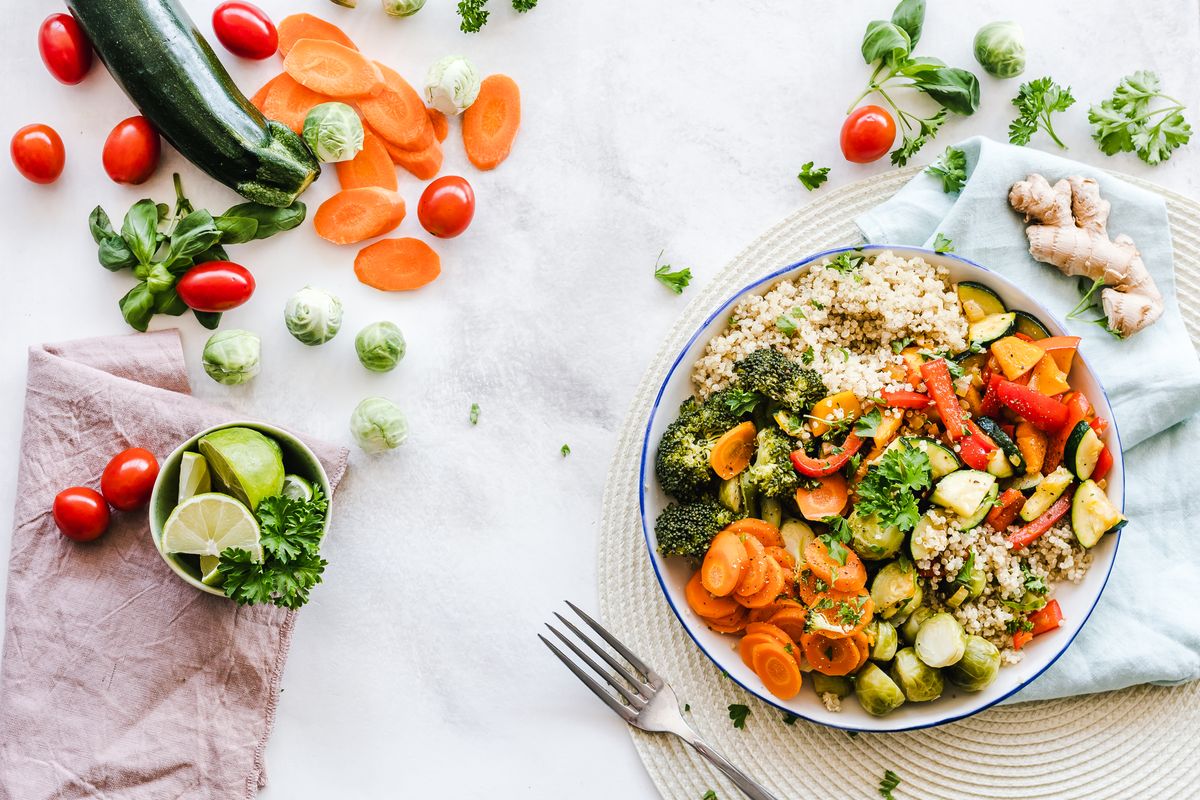
markdown
How Texture, Flavor, and Structure Make Plant-Based Meals More Satisfying
Author: Jessica Miller
Writing date: 2026/2/20
Article type: Evergreen, long-term value article
Category: Plant-Based
Plant-based meals do not become satisfying simply because they are colorful, trendy, or labeled “healthy.” A bowl of plain steamed vegetables may be plant-based, but that does not mean it feels like dinner. A lentil stew may be nourishing, but if it is watery, flat, or monotonous, it can leave a person looking for toast, chips, or dessert soon after eating.
The missing piece is often not meat, cheese, or a packaged replacement product. It is design.
A well-built plant-based meal usually works because three things happen at the same time: texture keeps each bite interesting, flavor gives the palate enough depth, and structure gives the plate a clear direction rather than leaving it as a collection of side dishes. When one of those pieces is weak, the meal may feel unfinished even if the ingredients are good.
This guide looks at plant-based meals from a cook’s point of view. It is not a diet plan or a medical claim. Instead, it offers a practical framework for building better meals with vegetables, grains, beans, lentils, tofu, tempeh, nuts, seeds, herbs, spices, and sauces. The goal is simple: help plant-based meals feel more generous, more balanced, and more worth repeating.
Utility Box: The Plant-Based Satisfaction Triangle
Before reading the full guide, use this quick kitchen test.
A plant-based meal usually feels more satisfying when it has:
- Texture
- Something tender
- Something crisp, chewy, creamy, or crunchy
- A contrast between soft and firm elements
- Flavor
- A savory base
- Brightness from acid or fresh herbs
- Enough salt, spice, aroma, or umami to avoid blandness
- Structure
- A clear main element
- A filling base or anchor
- A sauce, topping, or finish that brings the meal together
If a meal feels flat, do not immediately add more ingredients. First ask: is it missing texture, flavor, or structure?
Who This Article Is / Is Not For
This article is for home cooks, beginner plant-based eaters, flexitarians, vegan-curious readers, meal-preppers, and anyone who enjoys vegetables but wants plant-based meals to feel more complete.
It is also for people who have tried plant-based meals and thought, “This tastes fine, but it does not feel like dinner.” That reaction is common, and it usually has a fix.
This article is not a strict nutrition prescription, a weight-loss plan, a disease-management program, or a moral argument about how everyone should eat. People have different budgets, traditions, allergies, medical needs, and taste preferences. The approach here is flexible: use texture, flavor, and structure to make plant-based meals feel more coherent and repeatable.
Why Satisfaction Matters in Plant-Based Cooking
Many plant-based meals disappoint for a very ordinary reason: they are assembled like side dishes.
A plate might include roasted carrots, steamed broccoli, rice, and a few chickpeas. Each part is pleasant, but the meal has no center. The vegetables are soft, the rice is soft, the chickpeas are soft, and there is no sauce strong enough to pull everything together. The result is not bad. It is just forgettable.
This is where satisfaction becomes a cooking skill rather than a nutritional slogan.
Satisfaction is not only about fullness. It is also about how a meal behaves in the mouth and in memory. A good meal gives the eater enough contrast to stay engaged, enough flavor to feel rewarded, and enough structure to understand what the dish is trying to be.
Many everyday food traditions already use this principle, often without naming it. Think of rice and beans with pickled onions, sesame noodles with cucumber and chili oil, lentil soup with crusty bread, falafel with tahini and herbs, or a vegetable curry with rice, chutney, and toasted spices. These meals work because they are built, not merely combined.
Plant-based cooking becomes easier when you stop asking, “What replaces the meat?” and start asking, “What makes this meal feel put together?”
The Three-Part Framework
The framework in this article is intentionally simple:
Texture keeps the bite alive.
Flavor gives the meal depth.
Structure gives the plate direction.
A plant-based dish does not need every possible texture, every spice in the cabinet, or a restaurant-style arrangement. But it does need enough variation to avoid feeling one-dimensional.
Here is a quick example.
A bowl of brown rice, steamed kale, and plain tofu may be nourishing, but it may taste unfinished. Now change the design:
- Press and pan-sear the tofu until the edges are browned.
- Toss the kale with lemon, garlic, and olive oil.
- Add roasted mushrooms for savory depth.
- Spoon over a tahini-miso sauce.
- Finish with toasted sesame seeds and sliced scallions.
The ingredients are still simple. The difference is that the meal now has crisp edges, chew, creaminess, acidity, umami, aroma, and a visible center. The plate feels designed rather than merely assembled.
Part One: Texture Is the First Signal of a Complete Meal
In everyday cooking, texture is often the fastest way to improve plant-based food.
Many vegetables, grains, and legumes naturally lean soft once cooked. Lentils become tender. Beans become creamy. Steamed vegetables lose snap. Rice, oats, noodles, and potatoes are comforting, but they can also make a plate feel heavy if everything else is soft too.
A well-built plant-based meal usually needs contrast.
That does not mean every meal needs fried food. Crunch can come from toasted seeds, roasted chickpeas, shredded cabbage, crisp lettuce, cucumber, radish, nuts, croutons, pickled vegetables, or a quick sear in a hot pan. Chew can come from farro, barley, mushrooms, tempeh, whole-grain noodles, roasted carrots, or properly cooked beans. Creaminess can come from hummus, avocado, blended white beans, tahini, cashew cream, or mashed sweet potato.
The key is not to add texture randomly. The texture should make the meal easier and more interesting to eat.
The Soft-Firm-Crisp Rule
A useful rule for everyday cooking is to include at least two of these three elements:
| Texture role | Plant-based examples | What it adds |
|---|---|---|
| Soft or tender | Lentils, beans, roasted squash, noodles, mashed potatoes, stewed eggplant | Comfort and body |
| Firm or chewy | Tempeh, tofu, mushrooms, barley, farro, roasted carrots, seitan | Substance and bite |
| Crisp or crunchy | Cabbage, toasted nuts, seeds, roasted chickpeas, cucumber, radish, crisp lettuce | Freshness and contrast |
A lentil soup with no texture contrast may feel dull after a few spoonfuls. Add toasted pumpkin seeds, a drizzle of chili oil, and a side of grilled bread, and the same soup becomes more rewarding.
A grain bowl with roasted vegetables can become more enjoyable with shredded raw cabbage, pickled onions, and toasted almonds.
A tofu stir-fry can feel more deliberate if the tofu is browned instead of simply warmed through.
Texture is not just decoration. It helps determine whether a meal stays interesting after the first few bites.
Part Two: Flavor Must Be Layered, Not Just Added at the End
One common mistake in plant-based cooking is trying to fix a bland meal only after it is cooked. More sauce can help, but it cannot always rescue ingredients that were never seasoned in layers.
Plant-based meals often need deliberate flavor-building because vegetables, grains, and legumes absorb seasoning differently. Beans may need salt and acid. Tofu may need browning and marinade. Mushrooms may need high heat to concentrate their flavor. Whole grains may need herbs, broth, spices, or a finishing oil.
A balanced plant-based meal usually includes at least three kinds of flavor movement:
- Depth from browning, roasting, sautéed aromatics, mushrooms, tomato paste, miso, soy sauce, fermented foods, toasted spices, or legumes cooked with herbs.
- Brightness from citrus, vinegar, pickles, tomatoes, fresh herbs, or raw vegetables.
- Finish from olive oil, sesame oil, chili crisp, toasted nuts, seeds, nutritional yeast, herbs, or a final pinch of salt.
Without brightness, plant-based meals can feel heavy. Without depth, they can feel thin. Without a finish, they can feel unfinished.
The Flavor Ladder
Think of flavor as a ladder rather than a single step.
| Step | What to do | Example |
|---|---|---|
| Base | Start with aromatics, spices, or browning | Onion, garlic, ginger, cumin, smoked paprika, browned mushrooms |
| Body | Add the main ingredients | Lentils, beans, tofu, vegetables, grains |
| Bridge | Add a sauce or liquid that connects the ingredients | Tomato sauce, coconut milk, tahini dressing, miso broth |
| Brightness | Add acid or freshness near the end | Lemon, lime, vinegar, herbs, pickles |
| Finish | Add a final texture or aroma | Toasted seeds, chili oil, scallions, basil, sesame |
This ladder prevents the “one-note” problem. A chickpea stew with onion, garlic, cumin, tomatoes, lemon, parsley, and toasted almonds will usually feel more coherent than chickpeas simply warmed in sauce.
Umami Is Useful, but It Is Not a Magic Word
Umami is often described as savory depth. Many plant-based ingredients can bring it: mushrooms, tomatoes, soy sauce, miso, seaweed, nutritional yeast, fermented bean pastes, roasted garlic, browned onions, and toasted nuts.
But umami alone does not make a meal feel balanced. A dish can be deeply savory and still feel dull if it has no brightness or texture contrast. A mushroom barley bowl, for example, may need lemon, parsley, pickled shallots, or a crisp salad on the side.
The strongest plant-based meals rarely rely on one flavor trick. They combine savory depth with brightness, aroma, and contrast so the dish does not become tiring halfway through.
Part Three: Structure Turns Ingredients Into a Meal
Structure is the most overlooked part of plant-based cooking.
A meal can have good ingredients and still feel scattered. This happens when everything has equal importance and nothing acts as the anchor. The eater has to do the work of understanding the plate.
A structured meal has a clear idea. It might be a bowl, stew, wrap, salad, tray bake, noodle dish, sandwich, curry, soup, or platter. The format gives the ingredients a role.
For example, “roasted vegetables with beans” is vague. But “warm white bean and roasted pepper toast with lemony arugula” has direction. “Tofu with rice and vegetables” is generic. But “crispy tofu rice bowl with cucumber, sesame greens, and ginger-scallion sauce” gives the meal a center.
Structure does not need to be fancy. It simply helps the meal make sense.
Five Reliable Plant-Based Meal Structures
| Structure | Best for | How to make it satisfying |
|---|---|---|
| Bowl | Grains, beans, tofu, roasted vegetables | Use a base, a protein-rich element, a sauce, and a crunchy finish |
| Stew or curry | Lentils, chickpeas, beans, root vegetables | Build aromatics first and add a bright topping |
| Toast or open sandwich | Beans, mushrooms, avocado, roasted vegetables | Use a creamy spread plus something crisp or acidic |
| Noodles | Tofu, vegetables, sesame, peanut, miso, herbs | Balance sauce richness with fresh vegetables and acid |
| Platter | Mezze-style meals, dips, roasted vegetables, salads | Vary temperature, texture, and dipping elements |
Cooked ingredients can feel unfinished if nothing gives them direction. A planned bowl, stew, toast, noodle dish, or platter gives the meal a clearer identity.
The “10-Bite Audit”: An Original Way to Test a Meal
Here is a simple home-kitchen test for evaluating whether a plant-based meal will stay enjoyable beyond the first bite.
Imagine eating ten bites of the dish. Not the first bite, when everything is new, but the seventh, eighth, ninth, and tenth bites. Would you still want another forkful?
If the answer is no, the dish likely has one of these problems:
- Same texture every bite: Add crunch, chew, or creaminess.
- Same flavor every bite: Add acid, herbs, spice, or a contrasting sauce.
- No center: Decide whether the dish is a bowl, stew, toast, salad, noodle dish, or platter.
- Too dry: Add sauce, broth, dressing, or a juicy element.
- Too wet: Add something crisp, toasted, roasted, or absorbent.
- Too rich: Add freshness, bitterness, acidity, or raw vegetables.
- Too light: Add beans, lentils, tofu, tempeh, grains, potatoes, nuts, or seeds.
This is not a scientific measurement; it is a practical cooking check. The seventh or eighth bite often reveals what the first bite hides: too much softness, too little acid, no crunch, no center, or a sauce that does not connect the ingredients.
A good plant-based meal does not have to be dramatic. It simply needs enough contrast and direction to avoid becoming boring.
Use the audit after cooking once, then adjust the next batch rather than trying to fix everything at the table.
How to Build a More Satisfying Plant-Based Meal From Scratch
Use this five-step method when you do not know what to cook.
1. Choose the structure first
Pick one format before choosing every ingredient:
- Bowl
- Soup
- Stew
- Curry
- Noodles
- Wrap
- Toast
- Salad
- Tray bake
- Platter
This prevents the meal from becoming a random mix.
2. Choose the anchor
The anchor is the part that makes the meal feel filling and intentional. It might be lentils, chickpeas, tofu, tempeh, beans, seitan, potatoes, whole grains, noodles, or bread.
The anchor does not need to be high in protein every time, but many plant-based meals benefit from including beans, peas, lentils, soy foods, nuts, seeds, or whole grains. USDA’s MyPlate materials include beans, peas, lentils, nuts, seeds, and soy products within the broader protein-foods category. Harvard’s Healthy Eating Plate also emphasizes vegetables, fruits, whole grains, healthy oils, and healthy protein choices as a practical meal-building guide. For adult readers planning vegetarian or fully plant-based diets, the Academy of Nutrition and Dietetics offers broader nutrition guidance on vegetarian dietary patterns.
For more context, see USDA MyPlate, Harvard T.H. Chan School of Public Health: Healthy Eating Plate, and the Academy of Nutrition and Dietetics position paper on vegetarian dietary patterns00042-5/fulltext).
3. Add at least one texture contrast
If the anchor is soft, add crunch.
If the anchor is dry, add creaminess.
If the anchor is creamy, add something crisp or acidic.
Examples:
- Lentil soup + toasted walnuts
- Chickpea salad + celery and cucumber
- Tofu bowl + roasted peanuts
- Mushroom toast + pickled onions
- Bean chili + crushed tortilla chips
- Peanut noodles + shredded cabbage
4. Add a flavor bridge
A flavor bridge connects the parts of the meal. It can be a sauce, dressing, broth, chutney, salsa, or infused oil.
Good plant-based bridges include:
- Tahini-lemon sauce
- Miso-ginger dressing
- Tomato-pepper sauce
- Peanut-lime sauce
- Coconut curry broth
- Herb chutney
- Garlic yogurt-style plant-based sauce
- Salsa verde
- Chili oil with vinegar
- Hummus thinned with lemon and water
A bowl without sauce can taste like separate ingredients. A bowl with the right sauce tastes like a meal.
5. Finish with a small, high-impact detail
The final detail should be small but noticeable:
- Lemon zest
- Fresh herbs
- Toasted sesame seeds
- Chili flakes
- Pickled onions
- Scallions
- Cracked pepper
- Crispy shallots
- Toasted coconut
- A drizzle of good olive oil
- A spoonful of fermented vegetables
This last step makes the meal feel finished rather than merely assembled. It also helps leftovers feel less repetitive.
Practical Examples: Before and After
Example 1: The Plain Grain Bowl
Before: Brown rice, steamed broccoli, chickpeas.
Problem: Soft, dry, and under-seasoned.
After: Brown rice, roasted broccoli, paprika chickpeas, lemon-tahini sauce, cucumber, parsley, and toasted sunflower seeds.
What changed? The bowl gained roasted edges, creaminess, freshness, acid, herbs, and crunch, so the ingredients now feel connected rather than separate.
Example 2: The Flat Lentil Soup
Before: Lentils, carrots, celery, water, salt.
Problem: Filling but dull.
After: Lentils cooked with onion, garlic, cumin, bay leaf, tomato paste, and vegetable broth, finished with lemon, olive oil, parsley, and toasted bread.
What changed? The soup now has flavor built at the beginning and brightness added at the end, which makes it feel fuller without making it heavier.
Example 3: The Boring Tofu Plate
Before: Plain tofu, rice, frozen vegetables.
Problem: No browning, no sauce, no contrast.
After: Pan-seared tofu, rice, sesame greens, quick-pickled carrots, ginger-soy glaze, and crushed peanuts.
What changed? The tofu became the center of the plate, while the pickles, glaze, greens, and peanuts gave the meal contrast and direction.
Example 4: The Heavy Pasta
Before: Pasta with a thick cashew sauce.
Problem: Creamy but tiring after a few bites.
After: Pasta with cashew sauce, roasted tomatoes, arugula, lemon, black pepper, and toasted breadcrumbs.
What changed? Acid, bitterness, and crunch now balance the creamy sauce, so the pasta feels rich without becoming tiring.
What NOT To Do / Common Mistakes
Mistake 1: Treating vegetables as the whole meal
Vegetables are important, but a plate of only vegetables may not feel complete for many people. Add an anchor such as beans, grains, tofu, tempeh, potatoes, noodles, bread, nuts, or seeds.
Mistake 2: Forgetting salt and acid
Many plant-based meals taste flat because they are missing salt, acid, or both. Lemon juice, vinegar, pickled vegetables, tomatoes, and fermented ingredients can make flavors feel clearer. People who need to limit sodium for medical reasons should follow professional guidance.
Mistake 3: Making every component soft
Soft food can be comforting, but too much softness creates fatigue. Add crisp vegetables, toasted nuts, seeds, roasted chickpeas, grilled bread, or fresh herbs.
Mistake 4: Relying only on meat substitutes
Plant-based burgers, sausages, and nuggets can be convenient, but they are not the only path to satisfaction. Beans, lentils, tofu, tempeh, mushrooms, grains, nuts, seeds, and vegetables can create generous meals when they are prepared with care.
Mistake 5: Skipping food safety because the meal is plant-based
Plant-based does not automatically mean low-risk. Cooked rice, beans, lentils, tofu dishes, cut fruit, cooked vegetables, and prepared sauces still need safe handling. CDC recommends the basic food safety steps of clean, separate, cook, and chill. FDA also advises not leaving foods that require refrigeration at room temperature for more than two hours, or one hour when temperatures are above 90°F. FoodSafety.gov provides cold-storage guidance for leftovers and refrigerated foods.
For practical food safety guidance, see CDC: Preventing Food Poisoning, FDA: Are You Storing Food Safely?, and FoodSafety.gov: Cold Food Storage Chart.
A Small Pantry That Makes Plant-Based Meals Easier
A useful plant-based kitchen does not require a huge pantry. It helps to keep a few “satisfaction builders” on hand.
Texture builders
- Toasted sesame seeds
- Pumpkin seeds
- Sunflower seeds
- Walnuts or almonds
- Roasted chickpeas
- Panko or breadcrumbs
- Crisp lettuce
- Cabbage
- Radishes
- Pickled onions
Flavor builders
- Miso
- Soy sauce or tamari
- Vinegar
- Lemons or limes
- Tomato paste
- Smoked paprika
- Cumin
- Chili flakes
- Garlic
- Ginger
- Nutritional yeast
Structure builders
- Rice
- Noodles
- Potatoes
- Whole-grain bread
- Tortillas
- Lentils
- Chickpeas
- Black beans
- Tofu
- Tempeh
- Hummus
- Tahini
The point is not to buy everything on these lists. Choose a few items that fit your budget, cooking style, and storage space. Even one crunchy topping, one bright ingredient, one sauce base, and one reliable anchor can make weeknight plant-based meals easier to finish well.
The Role of Protein, Fiber, and Fat Without Turning Dinner Into Math
Plant-based satisfaction is partly sensory and partly practical. Texture and flavor matter, but so do ingredients that give a meal staying power.
Beans, lentils, peas, soy foods, nuts, seeds, and whole grains can help make meals feel more substantial. Fiber-rich foods such as vegetables, legumes, fruits, and whole grains also change the way a meal feels. Fats from olive oil, avocado, nuts, seeds, tahini, and coconut can add richness and help carry flavor.
Still, a meal does not need to become a nutrition spreadsheet. For most everyday cooking, a useful question is:
Does this plate include something fresh, something filling, and something flavorful?
For vegan or fully plant-based diets, nutrients such as vitamin B12, iodine, iron, vitamin D, calcium, choline, and omega-3 fats may require planning depending on the person and overall eating pattern. This article does not provide individual nutrition advice, so readers with medical conditions, pregnancy-related needs, allergies, restricted diets, or nutrient concerns should consult a qualified healthcare professional or registered dietitian.
How to Make Leftovers Feel New
Plant-based leftovers can be excellent, but they often lose texture. A lentil stew may thicken. Roasted vegetables may soften. Rice may dry out. Tofu may lose its crispness.
Instead of reheating everything the same way, rebuild the satisfaction triangle.
If leftovers are soft
Add:
- Toasted seeds
- Crisp cabbage
- Fresh cucumber
- Roasted chickpeas
- Croutons
- Grilled bread
If leftovers are dry
Add:
- Sauce
- Broth
- Olive oil
- Salsa
- Tahini dressing
- Coconut milk
- Tomato sauce
If leftovers taste flat
Add:
- Lemon
- Vinegar
- Fresh herbs
- Chili oil
- Pickles
- Scallions
- Black pepper
If leftovers feel too heavy
Add:
- A raw salad
- Bitter greens
- Citrus
- Fresh tomatoes
- Pickled vegetables
- Herbs
Leftovers should also be handled safely: cool and refrigerate perishable foods promptly, use clean containers, and avoid leaving prepared foods out for long periods.
A Simple Formula for Better Plant-Based Bowls
Bowls are popular because they are flexible, but they can become repetitive. This formula keeps them balanced:
Base + anchor + vegetable contrast + sauce + finish
Example combinations:
| Base | Anchor | Vegetable contrast | Sauce | Finish |
|---|---|---|---|---|
| Rice | Crispy tofu | Cucumber and cabbage | Ginger-sesame sauce | Toasted sesame |
| Quinoa | Chickpeas | Roasted peppers and arugula | Lemon-tahini | Pumpkin seeds |
| Noodles | Tempeh | Shredded carrots and herbs | Peanut-lime sauce | Chili flakes |
| Potatoes | Black beans | Corn and lettuce | Salsa verde | Pickled onions |
| Farro | Mushrooms | Kale and radish | Garlic-herb dressing | Walnuts |
The formula works because each part has a job. The base carries the meal, the anchor gives it substance, the vegetables create contrast, and the sauce connects the parts. The finish keeps the final bites from feeling like an afterthought.
Why You Can Trust This Article
This article was written as a practical cooking guide rather than a medical or scientific review. Its main framework—the satisfaction triangle of texture, flavor, and structure—comes from repeatable home-cooking observation: plant-based meals often feel unfinished when they lack contrast, a flavor bridge, or a clear meal format.
The examples were selected because they show fixes a home cook can actually repeat: crisping tofu instead of merely warming it, adding acid to rich dishes, using sauces to connect scattered ingredients, and giving bowls, stews, noodles, or toast a recognizable center.
For nutrition and food safety boundaries, the article points readers toward established public-health and nutrition sources, including USDA MyPlate, Harvard T.H. Chan School of Public Health, the Academy of Nutrition and Dietetics, CDC, FDA, and FoodSafety.gov. These references support broad, cautious guidance rather than promises about weight loss, disease prevention, or universal diet suitability.
How This Article Was Reviewed
This article was shaped around three practical questions: can the texture-flavor-structure framework help a reader improve a real meal, do the food safety reminders stay consistent with public-health guidance, and do nutrition-related statements remain cautious rather than prescriptive?
The goal was to keep the article useful for everyday cooks. The article is meant to improve plant-based meal design, not to replace individualized medical or nutrition advice.
What This Article Does Not Claim
This article does not claim that plant-based eating is automatically healthier than every other eating pattern, that it cures disease, guarantees weight loss, or meets every person’s nutrient needs without planning.
It also does not argue that everyone must become vegan or that meat substitutes are always bad. Food choices are shaped by culture, budget, allergies, access, medical needs, and personal preference.
The claim here is narrower: many plant-based meals become more enjoyable and repeatable when they are built with texture, flavor, and structure in mind.
FAQ
What makes a plant-based meal satisfying?
A well-built plant-based meal usually has a clear format, a filling anchor, enough seasoning, and texture contrast. For example, a tofu rice bowl may feel coherent when it includes browned tofu, seasoned rice, crisp vegetables, a bold sauce, and a crunchy topping.
Why do some plant-based meals leave me hungry?
Sometimes the meal is too light, too low in filling ingredients, or missing an anchor such as beans, lentils, tofu, tempeh, grains, potatoes, nuts, or seeds. Sometimes it is physically filling but still not rewarding because it lacks flavor, texture contrast, or a clear center.
Do I need meat substitutes to make plant-based meals satisfying?
No. Meat substitutes can be convenient, but they are not required. Mushrooms, beans, lentils, tofu, tempeh, seitan, nuts, seeds, grains, and vegetables can make generous meals when they are cooked, seasoned, and given a clear format.
What is the easiest way to fix a bland plant-based meal?
Add one bright element and one savory element. Lemon, vinegar, pickles, or fresh herbs can sharpen the dish, while miso, soy sauce, roasted garlic, mushrooms, tomato paste, or toasted spices can add depth. If the dish also feels soft, finish it with toasted seeds, crisp cabbage, radish, roasted chickpeas, or breadcrumbs.
Are plant-based meals always healthy?
No. “Plant-based” describes ingredients, not overall quality. A meal can be plant-based and still be high in added sugars, sodium, or highly processed ingredients. A more balanced approach usually depends on variety, minimally processed staples, and thoughtful planning.
Can children eat satisfying plant-based meals?
Many children can enjoy plant-forward meals, but children have specific growth, energy, and nutrient needs. Parents or caregivers considering vegetarian or vegan diets for children should consult a pediatrician, registered dietitian, or another qualified healthcare professional.
How do I make plant-based meal prep less repetitive?
Prep flexible components instead of only finished meals: one grain, one bean or tofu dish, one sauce, one roasted vegetable, one raw crunchy vegetable, and one topping. Combine them differently through the week so the same ingredients can become bowls, wraps, salads, noodles, or toast.
What is the best sauce for plant-based meals?
There is no single best sauce. A good sauce connects the meal. Tahini-lemon, peanut-lime, tomato-pepper, miso-ginger, salsa verde, herb chutney, and coconut curry sauces all work well depending on the dish.
Final Takeaway
Plant-based meals that people want to make again are rarely built by accident. They usually come from a few repeatable choices: make one part tender, one part crisp or chewy, one part deeply flavorful, and one part fresh or bright. Then give the dish a clear format so it feels like dinner instead of a pile of ingredients.
Texture keeps each bite interesting. Flavor makes the meal memorable. Structure gives the plate direction.
Once you learn to cook through those three lenses, plant-based dinner becomes less about replacing something and more about building something worth eating again.
How Texture, Flavor, and Structure Make Plant-Based Meals More Satisfying
Advertisement
Feb 20, 202623 min read