
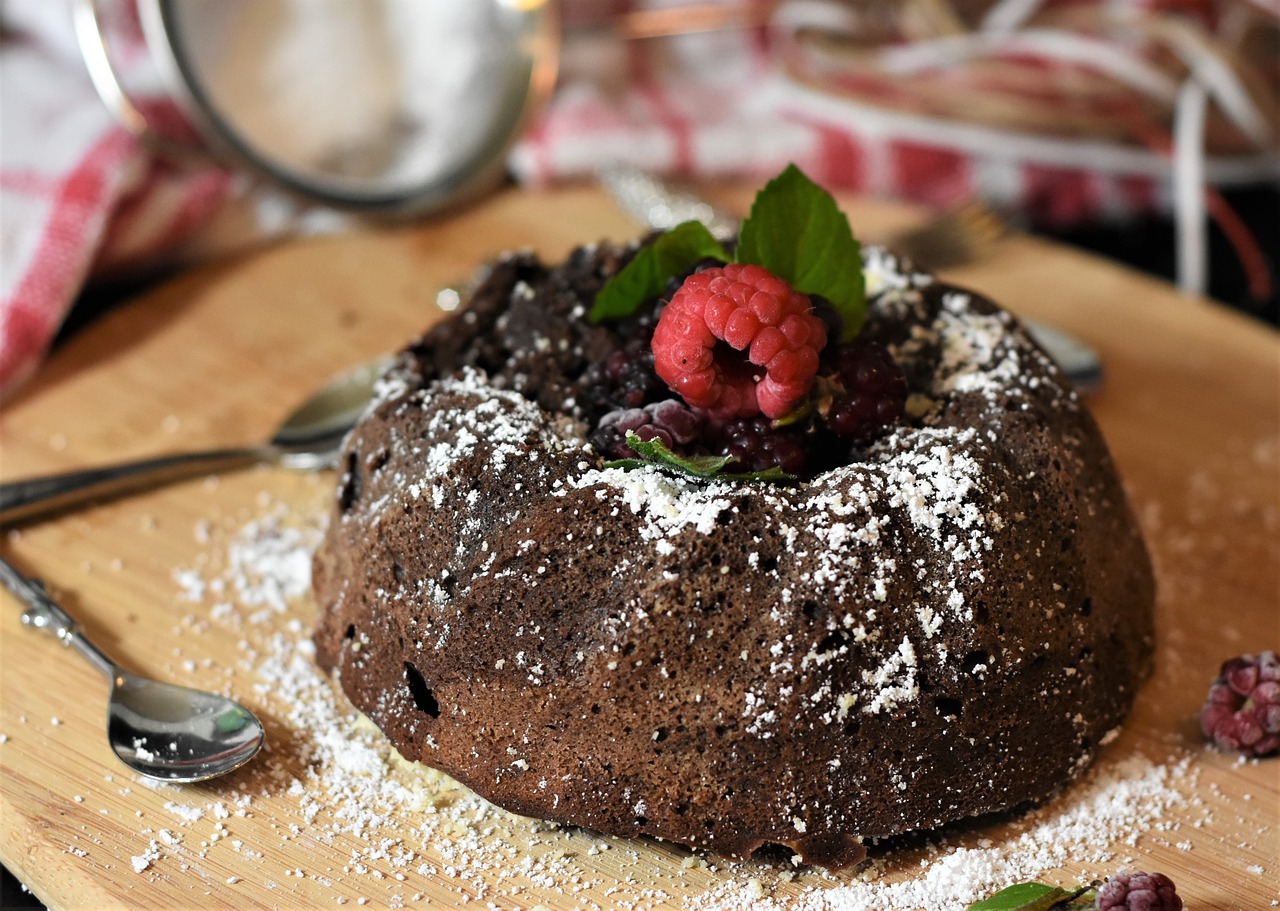
Fruit desserts can look simple from the outside: fruit, sugar, heat, maybe pastry, maybe cream. But anyone who has stood in a kitchen with a bowl of berries, a few apples, or a bag of frozen peaches knows the real question is not only “Can this become dessert?” It is “What kind of dessert should this become?”
A soft peach may be wonderful in a cobbler but too wet for a neat tart. Tart apples may hold their shape under crumble topping, while fragile raspberries can collapse into sauce almost as soon as heat reaches them. A compote can rescue fruit that is slightly past its prettiest moment; a tart rewards fruit that can sit beautifully on top of a crisp shell. These formats are not just recipe names. They are different ways of managing fruit, juice, texture, time, heat, and expectation.
This guide explains four classic fruit dessert formats: compotes, crumbles, cobblers, and tarts. Instead of treating them as a dessert list, it compares how each one works, when each one makes sense, what can go wrong, and how to choose the right format for the fruit you have.
Quick Answer
A compote is fruit gently cooked into a spoonable sauce or chunky topping.
A crumble is baked fruit covered with a loose buttery topping, often made from flour, sugar, butter, and sometimes oats or nuts.
A cobbler is baked fruit topped with biscuit-like, batter-like, cake-like, or dumpling-style dough, depending on recipe tradition.
A tart is fruit arranged in or over an open pastry shell, usually with a more defined structure than a crumble or cobbler.
For the simplest choice:
- Choose compote if you want a sauce, topping, or make-ahead fruit layer.
- Choose crumble if you want soft baked fruit with crisp contrast.
- Choose cobbler if you want a rustic baked dessert with a tender dough topping.
- Choose tart if you want a neat, sliceable dessert with visual impact.
Who This Article Is / Is Not For
This article is for home cooks, dessert readers, and curious eaters who want to understand fruit dessert formats without needing pastry-school language. It is especially useful if you often wonder whether your fruit should become a sauce, a baked dish, or a more structured pastry.
This is a culinary guide, not a medical or nutrition guide. If you cook for someone with allergies, celiac disease, diabetes, pregnancy-related food concerns, immune-compromising conditions, or another dietary need, follow qualified guidance and read ingredient labels carefully.
Utility Box: The Four-Question Dessert Choice Test
Before choosing a fruit dessert format, ask four questions.
1. How much structure do you want? If you want something spoonable, choose compote. If you want a dish that can be scooped, choose crumble or cobbler. If you want clean slices, choose tart.
2. How juicy is the fruit? Very juicy fruit often needs thickening, draining, longer baking, or a dessert style that can tolerate softness. Compote welcomes juice. Tarts are less forgiving.
3. How much precision do you want? Compote is fast. Crumble is forgiving. Cobbler is rustic but needs the topping baked through. Tart requires the most attention to pastry, cooling, and assembly.
4. What texture should the first bite give? Compote gives softness and shine. Crumble gives crisp crumbs over soft fruit. Cobbler gives tender dough against bubbling fruit. Tart gives pastry snap, cream or fruit filling, and a more composed bite.
Why Fruit Dessert Formats Matter
Fruit carries water, acid, fiber, natural sugar, aroma, seeds, skin, and texture. Heat changes all of those things.
Apples can soften while still holding slices. Peaches release fragrant juice. Berries collapse quickly. Rhubarb turns from firm stalks into a tart, saucy filling. Bananas brown and soften. Citrus brings acid more than bulk. Pears can be delicate or grainy depending on ripeness.
That is why dessert formats matter. Each format gives the fruit a different job.
In a compote, fruit becomes a sauce. In a crumble, fruit becomes a warm base for a crisp topping. In a cobbler, fruit becomes a bubbling layer that steams and flavors the dough above it. In a tart, fruit becomes the visible center of a pastry composition.
The same fruit can appear in all four formats, but it will not behave the same way. Blueberries in a compote become glossy and spoonable. In a crumble, they thicken under crumbs. In a cobbler, they bubble around dough. On a tart, they need control because too much juice can soften the shell.
The fruit’s texture, ripeness, and juiciness point you toward the format that will work best.
The Fruit Dessert Format Map
For easier mobile reading, this guide uses compact format notes instead of a wide comparison table.
Compote
Main structure: Cooked fruit sauce Fruit texture: Soft, spoonable, chunky, or smooth Best served: Warm, room temperature, or chilled Skill level: Beginner-friendly
Compote is the most flexible format when fruit is soft, juicy, uneven, or meant to become a topping.
Crumble
Main structure: Baked fruit base with a loose crumb topping Fruit texture: Soft, juicy, often thickened Best served: Warm or room temperature Skill level: Beginner-friendly
Crumble is strongest when you want warm fruit with a crisp, buttery contrast but do not want to roll pastry.
Cobbler
Main structure: Baked fruit with biscuit, batter, cake-like, or dumpling-style dough Fruit texture: Bubbling, saucy, rustic Best served: Warm Skill level: Easy to moderate
Cobbler works when you want a homestyle dessert with fruit underneath and a tender dough element on top.
Tart
Main structure: Open pastry shell with fruit Fruit texture: Fresh, cooked, glazed, or set Best served: Cool or room temperature Skill level: Moderate
Tart is the most structured format and works best when the fruit can support a clean, composed presentation.
Fruit Format Fit Score: A Compact Kitchen Shortcut
This score is an editorial kitchen-use guide, not laboratory data. It helps home cooks compare likely fits when fruit is already in the kitchen. A 5 suggests an easy natural fit; a 1 means the format usually needs more care, preparation, or a different fruit choice.
Very juicy or fragile fruit Score strip: Compote 5 / Crumble 4 / Cobbler 4 / Tart 2 Best fit: Compote Why: Sauce and baked formats can absorb softness better than a crisp pastry shell.
Firm fruit that holds slices Score strip: Compote 3 / Crumble 5 / Cobbler 4 / Tart 5 Best fits: Crumble and tart Why: Apples, pears, and some stone fruit can keep shape through baking.
Visually imperfect but flavorful fruit Score strip: Compote 5 / Crumble 4 / Cobbler 4 / Tart 1 Best fit: Compote Why: Compote, crumble, and cobbler do not require perfect-looking fruit.
Fruit meant to be served neatly Score strip: Compote 1 / Crumble 2 / Cobbler 2 / Tart 5 Best fit: Tart Why: Tarts are strongest when presentation and clean slicing matter.
Frozen fruit Score strip: Compote 5 / Crumble 4 / Cobbler 4 / Tart 2 Best fit: Compote Why: Thawed or baked frozen fruit can release extra liquid, which is easier to manage in saucy or baked formats.
If the fruit is soft, juicy, or uneven, choose a format that welcomes collapse. If the fruit is firm, attractive, and easy to slice, it can carry more structure.
Compote: The Spoonable Fruit Format
A compote is fruit cooked gently with a small amount of sweetener, liquid, spice, citrus, or other flavoring until it becomes soft and spoonable. It can be chunky or smooth, thin like a sauce or thick like a fruit topping.
The strength of compote is flexibility. Slightly soft berries, frozen cherries, chopped apples, pears, plums, apricots, rhubarb, and mixed fruit can all become compote. The fruit does not need to hold a beautiful shape. Some collapse is part of the point.
Compote works well when you want dessert without committing to a full bake. It can be spooned over ice cream, pound cake, yogurt, pancakes, waffles, cheesecake, panna cotta, oatmeal, or a simple bowl of whipped cream. It can also become a layer in trifles, parfaits, shortcakes, or no-bake desserts.
Because compote is usually a short-term dessert component rather than a shelf-stable preserve, treat it like a perishable food and follow a trusted recipe if you plan to store it.
A good compote usually balances fruit character, sweetness, acidity, and thickness. If the fruit is sweet, a squeeze of lemon can keep the flavor awake. If the fruit is tart, a little sugar or honey can soften the edge. If the fruit is watery, simmering uncovered can concentrate it.
When to choose compote
Choose compote when you want a make-ahead fruit component, a low-effort dessert, or a topping that can move between breakfast and dessert. It is also useful when fruit is flavorful but visually imperfect.
Watch out for
The most common compote mistake is overcooking every fruit at the same speed. Firm apples need more time than raspberries. Add firmer fruit first and softer fruit later.
Another mistake is adding too much liquid at the beginning. Fruit releases water as it cooks. Start with less liquid than you think you need; you can always add more.
Crumble: The Crisp-Topped Fruit Bake
A crumble is baked fruit covered with a loose topping, usually made from butter, flour, sugar, and sometimes oats, nuts, spices, or seeds. In American usage, “crumble” and “crisp” often overlap, though “crisp” commonly suggests a topping with oats or nuts that bakes especially crunchy.
The beauty of a crumble is contrast. Underneath, the fruit turns soft and fragrant. On top, the crumbs become golden, buttery, and textured. You do not need to roll pastry, shape dough, or decorate anything. The topping is scattered, not sculpted.
Crumble is ideal for apples, pears, peaches, nectarines, plums, berries, cherries, rhubarb, and mixed fruit. It is especially good for fruit that benefits from warmth and spice.
A crumble filling often needs a thickener because bubbling fruit releases juice. In many recipes, a small amount of cornstarch, flour, tapioca starch, or another thickener helps the juices become glossy rather than watery. Berries and frozen fruit usually need more help than firm apples.
The topping matters too. If the butter is too warm, the topping can melt into a greasy layer. If the crumbs are too flour-heavy or poorly mixed, the topping can taste dry instead of crisp. If the topping is packed down too tightly, steam may not escape well and the fruit may bubble through unevenly.
When to choose crumble
Choose crumble when you want a warm, comforting dessert that is easier than pie but still feels complete. It works well for family meals, casual dinners, and fruit that tastes better baked than raw.
Watch out for
The most common crumble mistake is underbaking. The topping may look lightly golden before the fruit underneath has fully bubbled and thickened. Look for active bubbling around the edges and some bubbling near the center.
Another mistake is using a dish that is too shallow. Fruit bubbles. A slightly deeper baking dish or a rimmed baking sheet underneath can save your oven.
Cobbler: The Rustic Fruit-and-Dough Dessert
A cobbler is baked fruit topped with dough or batter. The topping may be biscuit-like, cake-like, dumpling-like, or poured over the fruit depending on regional tradition and family style. The name is often linked to the uneven, cobbled appearance of the topping.
Compared with crumble, cobbler usually feels more dough-based. Instead of crumbs, it gives you tender dough. Some versions have spooned biscuit rounds that bake into golden islands. Others have a batter that rises around the fruit. Some are closer to a soft cake with fruit bubbling through it.
This format works especially well with peaches, blackberries, blueberries, cherries, apples, pears, and mixed summer fruit. Ripe peaches, for example, release enough juice to flavor the base, while the topping gives body and warmth.
The main challenge with cobbler is doneness. The fruit may bubble before the topping is fully cooked. A golden top does not always mean the underside of the dough is done. Thick dough, very wet fruit, and deep dishes can make this problem worse.
When to choose cobbler
Choose cobbler when you want a warm dessert that feels generous, soft, and homestyle. It is especially useful when you want something more substantial than a crumble but less formal than a pie or tart.
Watch out for
The most common cobbler mistake is making the topping too thick or placing it too close together. If biscuit pieces cover the entire surface with no gaps, steam may struggle to escape and the underside may stay gummy.
Another mistake is serving it immediately from the oven. Cobbler needs a short rest so the juices settle and the topping firms slightly as it cools. It should be warm, not molten.
Tart: The Open Pastry Fruit Format
A tart is an open pastry dessert. Unlike a covered pie, a tart usually displays its filling. The shell is part of the experience: crisp, neat, and supportive. Fruit may be baked in the shell, arranged fresh over pastry cream, cooked into a filling, glazed on top, or caramelized in an upside-down style such as tarte Tatin.
Tarts are the most structured format in this guide. They depend on a shell that holds shape. That shell may be shortcrust, pâte sucrée, puff pastry, or another pastry base. The fruit may be sliced carefully, layered casually, or arranged in a pattern.
The central challenge of a fruit tart is keeping the shell crisp enough to support the filling. Many tarts use a protective layer such as pastry cream, almond cream, chocolate, jam, glaze, or a fully baked shell assembled close to serving time.
Fresh strawberries, raspberries, figs, kiwi, citrus segments, poached pears, apples, plums, apricots, and glazed berries can all work. But not every fruit works well raw on a tart. Some fruit browns quickly, some releases too much juice, and some needs cooking to taste complete.
When to choose tart
Choose tart when presentation matters, when you want slices rather than scoops, or when the fruit looks appealing and tastes good enough to be featured. Tarts work well for afternoon tea, celebrations, dinner parties, or any moment when dessert should look composed.
Watch out for
The most common tart mistake is assembling too early. A crisp shell can soften if filled with wet fruit too far in advance. If using fresh fruit, assemble close to serving time or protect the shell with an appropriate filling or barrier.
Another mistake is cutting before the tart is set. Many tarts need cooling time. Warm filling can slump, and pastry can crumble if sliced too soon.
Choosing the Right Fruit for Each Format
Fruit desserts improve when the format matches the fruit’s behavior.
Apples and pears
Apples and pears are strong candidates for crumbles, cobblers, and tarts because many varieties hold shape when baked. Tart apples can balance sweet toppings. Softer pears may need gentle handling so they do not turn mushy.
For compote, apples and pears can be diced and cooked with cinnamon, ginger, vanilla, citrus peel, or a small amount of juice. For tarts, thin slices give a neat visual pattern. For crumbles, chunkier pieces create a softer spoon dessert.
Berries
Berries are flavorful but juicy. They work beautifully in compotes, crumbles, and cobblers. They can work in tarts too, but fresh berry tarts need a shell, filling, or glaze that can handle berry juice.
Frozen berries are useful, but they often release more liquid than fresh berries. For baked desserts, use a recipe that accounts for frozen fruit, or expect to adjust thickening and baking time.
Stone fruit
Peaches, nectarines, plums, apricots, and cherries are classic for cobblers and crumbles. Their juices become fragrant when baked. They also make excellent compotes.
For tarts, stone fruit can be sliced and baked, poached, roasted, or arranged fresh if ripe but not too wet. Very soft peaches may taste wonderful but can make a tart difficult to slice cleanly.
Rhubarb
Rhubarb is commonly treated like fruit in desserts, even though the edible stalk is not a botanical fruit. It softens quickly and needs sweetening. It is excellent in compotes, crumbles, and cobblers, especially with strawberries or apples. In tarts, it often works best cooked or arranged with enough sugar and structure.
Citrus and tropical fruit
Citrus is more often used for juice, zest, curd, syrup, segments, or glaze than as the bulk of a crumble or cobbler. Tropical fruit such as mango, pineapple, banana, passion fruit, guava, and coconut can work well, but each behaves differently. Pineapple holds shape and brings acidity. Mango softens. Banana browns. Passion fruit adds aroma and tartness.
Fresh, Frozen, Canned, and Dried Fruit
Fresh fruit is not automatically best for every fruit dessert. Frozen fruit can be excellent for compotes, crumbles, and cobblers because it is convenient, consistent, and already washed, cut, or pitted in many cases. Canned fruit can work in some baked desserts if drained well. Dried fruit can add chew and concentrated sweetness, but it usually needs soaking, simmering, or pairing with juicier fruit.
USDA MyPlate guidance recognizes fruit in fresh, frozen, canned, dried, whole, cut, pureed, and cooked forms as part of the fruit group. Here, that point is used only as an ingredient reminder, not as a health claim about dessert. For cooking, the practical question is still how much water, sweetness, texture, and structure each form brings.
Fresh fruit varies by ripeness. Frozen fruit releases liquid as it thaws and bakes. Canned fruit may already be softened, and some versions are packed in syrup or juice. Dried fruit has concentrated sugar and chew but little moisture. Each form can be useful when matched to the right format.
A Kitchen Lens: Collapse, Contrast, or Composition
Before opening a recipe, it helps to ask what job the fruit is being asked to do.
Collapse means the fruit is allowed to soften into sauce. Compote is the clearest example.
Contrast means soft fruit is paired with a separate texture: crumbs, biscuits, batter, or dough. Crumble and cobbler both work this way, though their toppings differ.
Composition means fruit helps create a neat visual and structural dessert. Tart is the clearest example.
This lens prevents a common mistake: asking the wrong fruit to do the wrong job. A bruised peach can collapse beautifully into compote. It may not compose well on a tart. Firm apples can compose neatly in a tart or soften under crumble topping. Raspberries can collapse almost instantly, so a fresh raspberry tart needs a shell and filling that protect the fruit rather than fight it.
Food Safety Notes for Fruit Desserts
Fruit desserts feel gentle and familiar, but basic food safety still matters.
The FDA recommends washing produce under running water before preparing or eating it, cutting away damaged or bruised areas, and avoiding soap, detergent, or commercial produce washes. Firm produce, such as melons or cucumbers, can be scrubbed with a clean produce brush. Even if the peel will not be eaten, washing before cutting helps reduce the chance of moving dirt or bacteria from the surface into the fruit.
FoodSafety.gov notes that refrigerated foods should be kept at 40°F / 4°C or below, while freezer storage at 0°F / -18°C is used for long-term quality. USDA/FSIS guidance says perishable leftovers should be refrigerated within 2 hours, or within 1 hour when temperatures are above 90°F / 32°C.
For fruit desserts, the practical version is simple: do not leave cream-filled tarts, dairy-based desserts, egg-rich fillings, or other perishable items sitting out for extended periods. Cool leftovers safely, use clean utensils, cover stored desserts, and follow trusted food safety guidance.
This article cannot judge a specific dessert in a specific kitchen. When storage time, temperature, dairy, eggs, or high-risk guests are involved, follow official guidance and discard food that may not be safe.
References used in this guide
This guide uses official public references for food-safety and ingredient-form details, while keeping the dessert-format advice focused on kitchen behavior:
What NOT To Do / Common Mistakes
Do not treat all fruit as equally wet
A cup of blueberries and a cup of diced apple do not behave the same way. Juicy fruit may need thickener, draining, longer baking, or a format like compote that welcomes liquid.
Do not assume a tart is just a flat pie
A tart depends on a shell that stays crisp enough to support the filling. Wet fruit, warm filling, and early assembly can soften it.
Do not pack crumble topping like a crust
Crumble topping should be scattered. If pressed down too firmly, it can become dense or pasty instead of crisp.
Do not cover the entire cobbler with thick dough
Cobbler needs steam gaps. If the topping is too thick or too continuous, the underside can stay gummy.
Do not skip tasting the fruit
Recipes often assume average sweetness and acidity. Real fruit changes by season, variety, storage, and ripeness. Taste first, then adjust sugar, lemon, spice, and thickener.
Do not ignore allergies and dietary restrictions
Crumbles, cobblers, and tarts may include wheat, dairy, eggs, nuts, oats, or gelatin, depending on the recipe. When cooking for others, check labels, fillings, toppings, and glazes instead of relying on the dessert name alone.
A Practical Dessert Decision Ladder
Use this ladder when you have fruit but no plan.
If the fruit is very ripe or visually imperfect: Make compote. The fruit does not need to look perfect, and softness becomes an advantage.
If the fruit is firm enough to bake and you want comfort: Make crumble. It gives the easiest baked contrast: soft fruit below, crisp topping above.
If you want a warmer, more substantial dessert: Make cobbler. The dough turns fruit into a fuller dish.
If the fruit looks beautiful and you have time for pastry: Make a tart. The fruit becomes the centerpiece.
If you are serving a crowd casually: Crumble or cobbler is usually more forgiving.
If you are plating dessert neatly: Tart is usually the strongest choice.
If you need a component for other desserts: Compote is the most flexible.
Trust and Scope Note
This guide is based on kitchen behavior rather than trend language. It compares fruit desserts by structure: how fruit softens, how toppings bake, how pastry stays crisp, and how each format is served.
The Fruit Format Fit Score and the Collapse / Contrast / Composition lens were created for this guide as practical decision tools. They are not scientific measurements, recipe guarantees, or nutrition claims. They are simply ways to think through fruit behavior before choosing a dessert format.
Fruit desserts can be fruit-forward, but they are not automatically healthy. This article is a culinary guide, not medical nutrition advice. It also does not claim that every country, region, or family uses these dessert terms in exactly the same way. Dessert names overlap, and the definitions here are practical culinary descriptions, not legal standards.
FAQ
What is the difference between a compote and a jam?
Compote is usually looser, less concentrated, and often made for short-term use as a sauce or topping. Jam is usually cooked further with more sugar and a stronger set. Compote is a dessert component; jam is more often a preserve or spread, especially when made and stored by a tested preserving method.
Is a crumble the same as a crisp?
They are closely related. In many kitchens, the words overlap. A crisp often suggests a topping with oats or nuts that bakes crunchy, while crumble can refer to a more flour-butter-sugar crumb topping. The exact distinction depends on region and recipe tradition.
Is cobbler supposed to have a bottom crust?
Often, no. Cobbler is commonly fruit with a biscuit-like, batter-like, cake-like, or dumpling-style topping. Some regional versions may differ, but if there is a bottom crust and a top crust, many people would call it closer to pie.
Why did my fruit crumble turn watery?
The fruit may have released more juice than expected, especially if it was frozen, very ripe, or berry-heavy. The filling may have needed more thickener, longer baking, or more resting time after baking.
Why did my cobbler topping turn gummy underneath?
The topping may have been too thick, placed too close together, or baked over very wet fruit. Leave gaps between biscuit-style toppings, avoid overly deep layers, and bake until the fruit bubbles and the topping is cooked through.
Can I make fruit tart ahead of time?
Parts of a tart can often be made ahead, such as the shell or filling. Fully assembled fresh fruit tarts are usually best closer to serving time because fruit juice and soft fillings can weaken the shell.
Which fruit dessert format should I choose first?
Start with compote if you want the easiest overall format, especially for soft or imperfect fruit. Choose crumble for the easiest baked dessert, cobbler for a warmer and more substantial dish, and tart when presentation and clean slices matter most.
Can I use frozen fruit?
Yes, especially in compotes, crumbles, and cobblers. Frozen fruit can release more liquid as it thaws or bakes, so baked recipes may need thickener or extra baking time. For tarts, frozen fruit can be harder to use neatly unless it is cooked into a filling first.
Final Takeaway
Compotes, crumbles, cobblers, and tarts are not just four dessert names. They are four different solutions to the same question: what should happen when fruit meets sweetness, heat, and texture?
Choose compote when you want spoonable fruit. Choose crumble when you want crisp topping over soft baked fruit. Choose cobbler when you want warm fruit with tender dough. Choose tart when you want pastry structure and visual polish.
Once you understand the format, fruit dessert decisions become easier. Instead of forcing every fruit into the same recipe, you can choose the structure that helps it work.
About the Author
Jessica Miller writes for Global Delight Food on desserts, baking basics, fruit desserts, and practical ingredient guides for home cooks.