
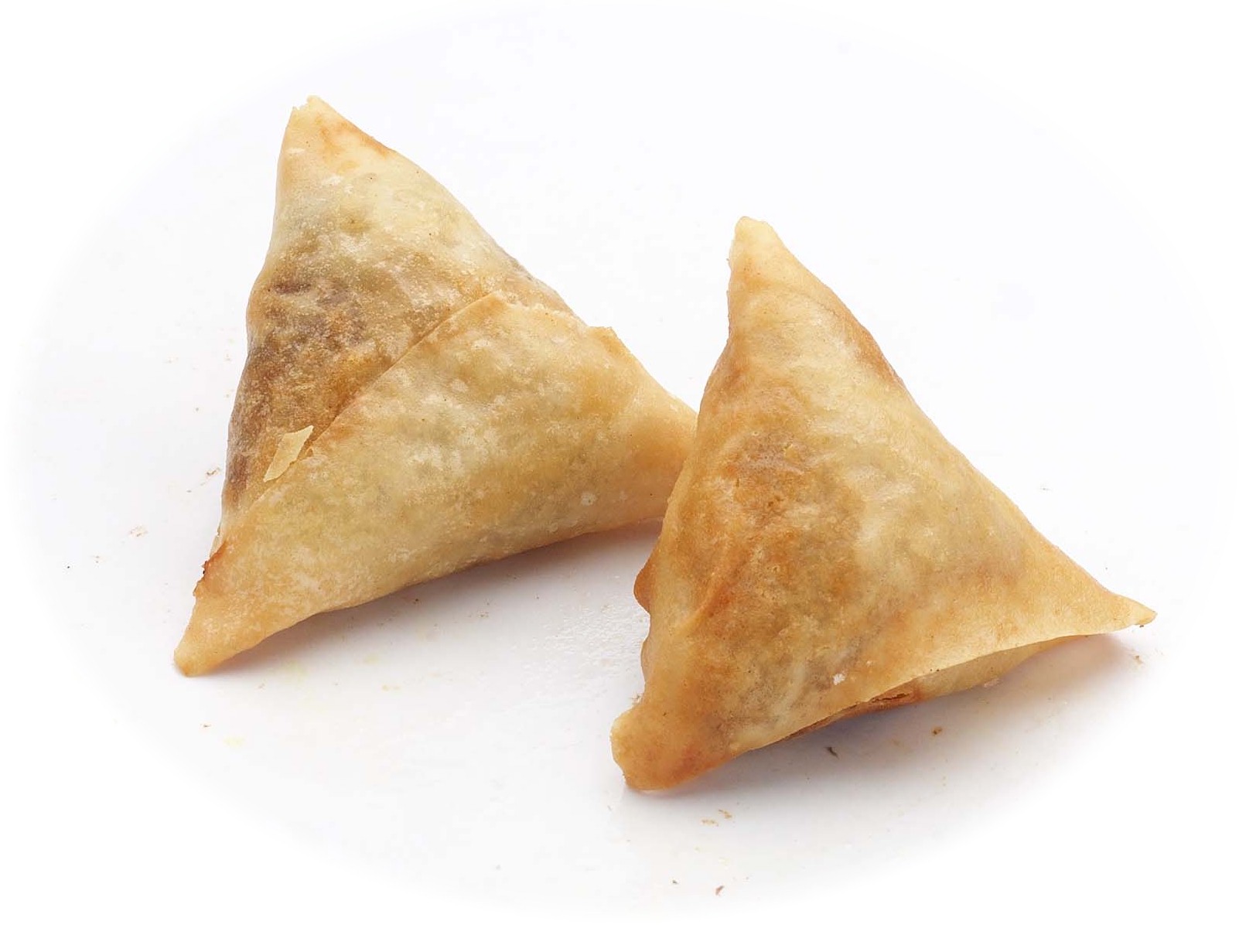
Written on: April 17, 2026
Dumplings are one of the world’s most adaptable food ideas. They can be folded into half-moons, pinched into pleated purses, dropped into soup, wrapped in leaves, steamed in baskets, browned in pans, or baked until the edges turn golden. Some carry pork, lamb, shrimp, cheese, potato, cabbage, mushrooms, beans, fruit, or sweet paste. Others are not filled at all and rely on the comfort of cooked dough.
That is why dumplings are simple to love but difficult to define.
A dictionary may describe a dumpling as a small mass of cooked dough, or as dough enclosing a filling. That definition is useful, but it does not capture the full cultural range of the dish. In real kitchens, a dumpling is not only a shape. It is a way of stretching ingredients, feeding a family, marking a holiday, preserving memory, and turning humble starch into something worth gathering around.
This guide looks at dumplings through three practical lenses: wrappers, fillings, and cooking styles. Instead of ranking dumplings or searching for one universal origin story, it explains how different traditions solve similar kitchen problems in different ways.
The goal is to notice patterns while still respecting local names, regional histories, and family variations.
At a Glance
A dumpling can be understood through four questions:
- What is the wrapper or dough made from?
- What kind of filling, if any, does it hold?
- How is it shaped, sealed, folded, or portioned?
- How is it cooked?
This guide uses the Dumpling Matrix to compare how wrapper, filling, shape, and heat work together. It is not a scientific database or a ranking.
Quick cooking reminder: If making dumplings with raw meat, poultry, seafood, or egg, use a food thermometer and follow safe internal temperature guidance from trusted food safety authorities such as the USDA FSIS or FoodSafety.gov.
Who This Article Is / Is Not For
This article is for readers who enjoy food culture, travel menus, home cooking, and the stories behind everyday dishes. It is especially useful if you have ever wondered why jiaozi, gyoza, mandu, momo, pierogi, varenyky, pelmeni, khinkali, manti, wontons, ravioli, zongzi, apple dumplings, and chicken-and-dumplings can all be discussed under the broad English-language umbrella of “dumplings.” They look and taste very different, but they share useful structural patterns.
It is also for home cooks who want to understand why some dumplings are better boiled, some are better steamed, some are designed for pan-frying, and some belong in soup.
It is not a strict recipe, a restaurant ranking, or a claim that one version represents an entire country or culture. Food traditions are living practices, and many dumplings change from household to household.
What This Article Does Not Claim
This article does not claim that all dumplings come from one origin point, or that every filled pasta should automatically be called a dumpling in every context. Here, “dumpling” is used as a broad English-language category for comparison.
Local names matter. When possible, use the specific name of the dish: jiaozi, gyoza, mandu, momo, pierogi, varenyky, pelmeni, khinkali, manti, ravioli, wonton, zongzi, modak, knödel, gnocchi, or another traditional name. “Dumpling” can help us compare structures, but it should not erase identity.
A Practical Definition: What Makes Something a Dumpling?
A dumpling is usually a portion of dough or starch that is cooked by boiling, steaming, simmering, frying, baking, or another heat method. It may be filled, unfilled, wrapped, dropped, rolled, pinched, pleated, stuffed, or shaped by hand.
That broad definition includes several families:
- Filled wrapper dumplings, such as jiaozi, gyoza, mandu, momo, pelmeni, pierogi, wontons, khinkali, and manti.
- Filled pasta-like dumplings, such as ravioli and some related stuffed dough traditions.
- Drop or spoon dumplings, such as dumplings in chicken stew or soup.
- Potato, bread, or flour dumplings, such as gnocchi, knödel, and Central European dumplings.
- Rice or leaf-wrapped dumplings, such as zongzi and other festival rice dumplings.
- Sweet dumplings, such as apple dumplings, fruit dumplings, modak, or sweet rice-flour dumplings.
This range explains why dumplings resist one neat definition. Some are delicate and translucent. Some are thick and chewy. Some are everyday comfort food. Some appear at weddings, solstice gatherings, New Year tables, harvest festivals, religious celebrations, and family reunions.
A dumpling is often where starch, memory, and technique meet.
The Dumpling Matrix: A Simple Way to Compare Global Styles
The Dumpling Matrix compares dumplings through four practical features: wrapper, filling, shape, and heat. It helps readers see why two dumplings may look similar but cook very differently, or why two dumplings may look different yet solve the same kitchen problem.
| Dumpling family | Wrapper or dough | Common filling or center | Cooking style | What the style teaches | |---|---|---|---|---| | Jiaozi | Wheat wrapper | Pork, cabbage, chives, shrimp, vegetables | Boiled, steamed, or pan-fried | Seal strength matters | | Gyoza | Thin wheat wrapper | Pork, cabbage, garlic, ginger | Steam-fried | Crisp bottom plus tender top | | Mandu | Wheat wrapper | Meat, tofu, kimchi, vegetables | Steamed, boiled, fried, or added to soup | Fillings reflect home style | | Momo | Wheat wrapper | Meat, vegetables, cheese, or mixed fillings | Steamed or fried | Sauce completes the experience | | Pierogi | Wheat dough | Potato, cheese, sauerkraut, meat, fruit | Boiled, then sometimes fried | Dough thickness supports comfort fillings | | Pelmeni | Wheat dough | Minced meat | Boiled | Small size suits freezing and batch cooking | | Khinkali | Wheat dough | Spiced meat and broth | Boiled | Shape protects juicy filling | | Manti | Thin dough | Lamb, beef, squash, or spiced fillings | Steamed, boiled, or baked | Size and sauce change the dish | | Wonton | Thin wrapper | Pork, shrimp, greens, aromatics | Boiled in soup or fried | Delicate wrappers suit broth | | Ravioli | Pasta dough | Cheese, greens, meat, pumpkin, seafood | Boiled | Pasta traditions can overlap with dumpling logic | | Zongzi | Glutinous rice wrapped in leaves | Pork, beans, salted egg, dates, or regional fillings | Steamed or boiled | The wrapper may be leaf, not dough | | Apple dumpling | Pastry dough | Apple, sugar, spice | Baked | Dumplings can be dessert |
The matrix makes one thing clear: dumplings are not united by a single ingredient. They are united by a relationship between enclosure, portioning, and cooking.
A dumpling asks a practical question: how can a cook turn dough, starch, filling, heat, and handwork into a satisfying portion?
Wrappers: The Architecture of a Dumpling
The wrapper is the dumpling’s structure. It decides how much filling the dumpling can hold, how it will seal, how it will cook, and how it will feel in the mouth.
Thin Wheat Wrappers
Thin wheat wrappers appear in many East Asian, Central Asian, and Eastern European dumpling traditions. They can be rolled by hand or made with a pasta-like process. Their strength comes from gluten development, dough hydration, resting time, and rolling thickness.
A thin wrapper is not always better. If the filling is juicy, the wrapper must be strong enough to survive boiling or steaming. If the dumpling is pan-fried, the base needs enough surface area to brown. If the dumpling is served in broth, the wrapper should be tender enough to absorb flavor without falling apart.
This is why wontons, jiaozi, gyoza, mandu, pelmeni, and momo may all use wheat-based wrappers but behave differently.
Pasta Dough Wrappers
Ravioli and similar stuffed pasta traditions show how dumpling logic can appear inside pasta culture. The dough is rolled thin, filled, sealed, and boiled. The filling may be ricotta, greens, meat, pumpkin, seafood, or another regional mixture.
Some readers prefer not to call ravioli a dumpling because “dumpling” and “pasta” belong to different culinary vocabularies. That distinction is reasonable. Still, from a structural point of view, ravioli shares many dumpling features: a wrapper, a filling, a seal, and a cooking method.
The most accurate wording is this: ravioli is pasta, and it can also be compared with global filled-dough foods.
Rice, Leaf, and Starch-Based Wrappers
Not every dumpling uses wheat. Zongzi uses glutinous rice wrapped in bamboo or reed leaves. The leaf is not eaten like a wheat wrapper, but it shapes the rice, perfumes it, protects it during cooking, and gives the dumpling its identity.
Other traditions use rice flour, tapioca starch, millet, cornmeal, potato, semolina, or bread. In some cases, the dough is wrapped around a filling. In others, the dough itself is the dumpling.
This matters because a dumpling is not always “wrapper plus filling.” Sometimes it is a cooked starch body served in soup, sauce, stew, syrup, or broth.
Thick Dough and Drop Dumplings
Drop dumplings, such as those found in chicken and dumplings or certain soups and stews, are usually not filled. They are spooned or dropped into simmering liquid, where they cook into soft, comforting pieces.
These dumplings are less about enclosure and more about absorption. They thicken broth, stretch a meal, and turn liquid into something more substantial.
In this family, the dumpling is not a container. It is a sponge for flavor.
Fillings: What Dumplings Carry
Fillings tell us about geography, economy, season, and taste. A dumpling filling is rarely random. It usually reflects what a household can afford, what grows nearby, what preserves well, and what tastes good in small portions.
Meat Fillings
Ground or minced meat is common because it cooks quickly and can be stretched with vegetables, herbs, starch, or aromatics. Pork and cabbage in jiaozi, lamb in manti, beef or lamb in khinkali, and mixed meats in pelmeni all show how small amounts of meat can become many servings.
The challenge is moisture. Too dry, and the dumpling tastes flat. Too wet, and it leaks or bursts. Many cooks solve this with finely chopped vegetables, careful seasoning, chilling, gelatin-rich broth, or mixing until the filling becomes cohesive.
Vegetable Fillings
Vegetable dumplings may use cabbage, greens, mushrooms, chives, carrots, squash, lentils, tofu, kimchi, sauerkraut, or seasonal produce. The main issue is water control. Cabbage, mushrooms, and leafy greens release moisture when salted or cooked.
A common home-cooking mistake is filling dumplings with raw, watery vegetables without draining or squeezing them first. The result is a soggy wrapper and a weak seal.
Good vegetable filling is not just chopped vegetables. It is chopped, seasoned, drained, balanced, and tested.
Cheese, Potato, and Dairy Fillings
Pierogi, varenyky, ravioli, and many regional dumplings show how cheese and potato can create comfort, richness, and structure. Potato gives body. Cheese gives tang and creaminess. Together they create a filling that holds its shape without needing much meat.
These fillings often work well with boiled dumplings because they are soft but stable. After boiling, some are pan-fried in butter or served with onions, sour cream, herbs, or sauces.
Soup and Juicy Fillings
Some dumplings are designed to release liquid when bitten. Khinkali and xiaolongbao are famous examples, though their techniques are different. The main idea is that the wrapper must protect the juice until the moment of eating.
This is not only a flavor challenge. It is an engineering challenge.
The wrapper must be strong. The seal must be secure. The filling must be balanced. The diner must know how to eat the dumpling without losing the broth or burning the mouth.
Sweet Fillings
Sweet dumplings prove that dumplings are not only savory. Apple dumplings, fruit-filled dumplings, sweet rice dumplings, red bean dumplings, sesame-filled dumplings, and coconut or jaggery-filled dumplings all show how dough can carry dessert.
In sweet dumplings, the filling often releases syrup, steam, or fragrance. The wrapper must hold fruit juices, melted sugar, or soft paste without collapsing.
A sweet dumpling is still a dumpling because it uses the same basic logic: portion, surround, cook, serve.
Cooking Styles: How Heat Changes the Dumpling
Cooking method is not a final detail. It is one of the most important design choices.
Boiling
Boiling is direct and efficient. It works well for dumplings with strong seals and wrappers that can survive movement in water. Jiaozi, pelmeni, pierogi, wontons, ravioli, and many other dumplings can be boiled.
Boiled dumplings tend to have a soft, slippery, tender texture. They are excellent with vinegar, butter, broth, sour cream, chili oil, herbs, or light sauces.
The risk is bursting. A rolling boil can be too aggressive for delicate dumplings. Gentle boiling or simmering often gives better control.
Steaming
Steaming is gentler than boiling because the dumpling is not pushed around by water. It works well for momo, mandu, bao-like filled doughs, rice dumplings, and many wheat-wrapper dumplings.
Steaming preserves shape and can keep fillings juicy. It also allows the wrapper to cook without becoming waterlogged.
The risk is sticking. Liners, leaves, parchment with holes, or lightly oiled surfaces can help.
Pan-Frying and Steam-Frying
Steam-frying is the method behind many potstickers and gyoza. The dumpling is first browned on the bottom, then water is added and the pan is covered so the dumpling steams through. Once the water evaporates, the bottom crisps again.
This method creates contrast: crisp base, tender top, juicy center.
It also explains why shape matters. Flat-bottomed dumplings fry better than round dumplings because they have more contact with the pan.
Deep-Frying
Deep-frying gives crunch and color. It is common in some wonton styles, snack dumplings, festival foods, and street foods. The wrapper must be sealed well so oil does not enter the filling.
Deep-fried dumplings are often served with dipping sauces because the crisp exterior benefits from acidity, sweetness, heat, or salt.
Baking
Baked dumplings appear in fruit dumplings, pastry dumplings, some manti styles, and regional oven-baked filled doughs. Baking creates a different relationship between wrapper and filling. Instead of becoming slippery or soft, the exterior may become flaky, firm, or crisp.
Baking is especially useful for dumplings with pastry-style dough or fillings that benefit from slow heat.
Dumplings as Social Food
Dumplings are often eaten in groups, but their social role varies widely.
Some are festival foods. Zongzi is strongly associated with the Dragon Boat Festival in Chinese communities. Jiaozi can appear at Lunar New Year tables, especially in northern Chinese traditions. Modak is associated with Ganesh Chaturthi in many Indian households. Many families also have holiday dumplings that mark seasons, saints’ days, harvests, or religious calendars.
Some are migration foods. Pierogi, varenyky, pelmeni, ravioli, manti, and many other dumplings have traveled with families across borders. In new countries, they often become memory foods: dishes that connect people to grandparents, language, community halls, weekend kitchens, and old neighborhoods.
Some are street foods. Momo stalls, gyoza shops, wonton noodle counters, fried dumpling stands, and dim sum carts show how dumplings can move from home cooking into public life.
Some are freezer foods. Pelmeni, mandu, jiaozi, pierogi, and many modern dumplings freeze well. A weekend folding session can become several quick meals.
Some are comfort foods. Chicken and dumplings, potato dumplings, soup dumplings, and fruit dumplings are not always ceremonial. Their meaning comes from warmth, softness, and repetition.
The same dumpling can be ordinary on Tuesday and symbolic on a holiday.
What NOT To Do / Common Mistakes
Mistake 1: Treating All Dumplings as the Same Dish
A dumpling is a category, not a single recipe. A momo is not a pierogi. A pierogi is not a wonton. A wonton is not a khinkali. A khinkali is not ravioli. Comparing them can be useful, but replacing their names with one generic label removes important detail.
Use specific names when you know them.
Mistake 2: Assuming One Origin Story Explains Everything
Dumpling-like foods developed in many regions because the kitchen logic is widely useful: dough plus filling, starch plus broth, or wrapper plus heat. Trade, migration, agriculture, climate, and family adaptation all shaped dumpling traditions. One simple origin story is usually too neat.
Mistake 3: Using the Wrong Cooking Method
Not every dumpling should be boiled. Not every dumpling should be steamed. Not every dumpling should be fried. Thin wrappers may tear in rough water. Round soup dumplings may lose their juices if handled carelessly. Thick dough may need longer cooking.
The cooking method should match the wrapper and filling.
Mistake 4: Overfilling
Overfilling is one of the easiest ways to ruin dumplings. A generous filling looks good before sealing, but it can prevent the edges from closing. During cooking, trapped steam expands and the dumpling may burst.
A good dumpling is not the fullest dumpling. It is the dumpling that seals, cooks, and eats well.
Mistake 5: Ignoring Moisture
Wet filling weakens wrappers. Salted vegetables, mushrooms, tofu, and greens can release water. Drain, squeeze, cook down, or balance them before wrapping.
Mistake 6: Making Health Claims
Dumplings can fit many eating patterns, but they should not be described as a cure, detox food, weight-loss food, or medical food. Ingredients, portion size, cooking method, and individual dietary needs all matter.
Mistake 7: Guessing Food Safety
When making dumplings with raw meat, poultry, seafood, or egg, do not judge safety by wrapper color alone. Follow safe temperature guidance from reliable food safety sources and avoid cross-contamination between raw filling and cooked dumplings.
A Home Cook’s Guide to Choosing the Right Dumpling Style
If you want a simple dumpling night at home, start with the cooking method rather than the filling.
If You Want the Easiest Method
Choose boiled dumplings with a sturdy wrapper. Pierogi, pelmeni, jiaozi, ravioli, and many frozen dumplings are beginner-friendly if the seals are strong.
Serve with a simple sauce: vinegar and chili oil, butter and herbs, sour cream, broth, soy-based dipping sauce, or tomato sauce depending on the dumpling family.
If You Want Texture Contrast
Choose steam-fried dumplings such as potstickers or gyoza-style dumplings. You get a crisp bottom and tender top in one pan.
This is a good method for people who enjoy browned flavor but do not want deep-frying.
If You Want a Communal Project
Choose folded dumplings like jiaozi, mandu, pierogi, momo, or manti. Set out wrappers, filling, trays, and a small bowl of water. Let each person fold. The dumplings will not all look the same, and that is part of the pleasure.
If You Want Soup
Choose wontons, small dumplings, or drop dumplings. Soup dumplings should match the broth. A delicate wrapper belongs in a lighter broth. A thick drop dumpling can handle stew.
If You Want Dessert
Choose apple dumplings, fruit dumplings, sweet rice dumplings, or filled dumplings with bean paste, sesame, coconut, or jaggery. Dessert dumplings often need less sauce than cakes because the filling already creates moisture.
The Cultural Pattern: Why Dumplings Keep Appearing
Dumplings appear across the world because they solve five recurring problems.
First, they stretch ingredients. A small amount of meat, cheese, fruit, or vegetables can fill many portions when combined with dough.
Second, they preserve labor. Dumplings can be made in batches. Some freeze well. Some travel well. Some are easy to reheat.
Third, they protect flavor. A wrapper traps juices, spices, and aromas.
Fourth, they invite cooperation. Folding dumplings is often easier when several people work together.
Fifth, they hold memory. The fold may come from a grandmother. The filling may belong to a village. The sauce may come from a market stall. The timing may belong to a holiday.
This is why dumplings feel familiar even when they are new to us. They turn basic ingredients into something shaped by hands.
Selected Dumpling Traditions to Know
Jiaozi
Jiaozi are commonly associated with northern Chinese food traditions and can be boiled, steamed, or pan-fried. They are often folded into crescent shapes and filled with mixtures such as pork and cabbage, shrimp and chives, or vegetables.
Wonton
Wontons are usually smaller and more delicate than many jiaozi. They often appear in broth or noodle soup, though fried wontons are also popular.
Gyoza
Japanese gyoza are commonly thin-skinned and strongly associated with steam-frying. Their crisp bottom, tender top, and savory filling make texture contrast part of the appeal.
Mandu
Korean mandu may be steamed, boiled in soup, pan-fried, or deep-fried. Fillings can include meat, tofu, glass noodles, kimchi, and vegetables.
Momo
Momo are widely eaten in Nepal, Tibet, Bhutan, parts of India, and diasporic communities. They are often steamed and served with a bold sauce that completes the dish.
Pierogi and Varenyky
Pierogi and varenyky are beloved in Polish, Ukrainian, and broader Eastern European foodways. Common fillings include potato and cheese, sauerkraut, mushrooms, meat, and fruit.
Pelmeni
Pelmeni are small meat-filled dumplings associated with Russian and Siberian food traditions. They freeze well, which makes them practical for cold climates and busy households.
Khinkali
Khinkali are Georgian dumplings known for their pleated top and juicy filling. The shape helps hold the broth-like juices inside until the dumpling is eaten.
Manti
Manti appear across Turkish, Armenian, Central Asian, and neighboring food traditions. They may be tiny and sauced with yogurt, larger and steamed, or baked before being served.
Ravioli
Ravioli belongs first to Italian pasta tradition, but it also fits the filled-dough comparison. Its fillings and sauces vary by region and season.
Zongzi
Zongzi are glutinous rice dumplings wrapped in leaves and cooked by steaming or boiling. They are strongly associated with the Dragon Boat Festival in Chinese communities.
Chicken and Dumplings
Chicken and dumplings, especially in American comfort-food traditions, show a different dumpling logic. The dumplings are often dropped into broth or stew rather than wrapped around filling.
Apple Dumplings
Apple dumplings show the dessert side of the dumpling world. Fruit is enclosed in pastry and baked with sugar, butter, and spice.
FAQ
Are dumplings always filled?
No. Many dumplings are filled, but not all. Drop dumplings, some bread dumplings, potato dumplings, and gnocchi-like dumplings may have no filling.
Are ravioli dumplings?
Ravioli is pasta. It can also be compared to dumplings because it uses filled dough that is sealed and cooked. The safest wording is: ravioli belongs to stuffed pasta traditions and shares structural features with dumplings.
Are bao dumplings?
Bao are often discussed near dumplings because they are filled dough foods, especially when steamed. However, they may also be classified as buns. The term depends on context, language, dough style, and culinary tradition.
What is the difference between steamed and boiled dumplings?
Boiled dumplings cook directly in water or broth, so the wrapper must survive movement and pressure. Steamed dumplings cook above water, which is gentler and helps preserve shape.
Why do dumplings burst?
Common reasons include overfilling, weak seals, trapped air, wrappers that are too dry, boiling too aggressively, or fillings that release too much liquid.
Can dumplings be vegetarian?
Yes. Many dumplings use vegetables, tofu, mushrooms, lentils, cheese, potato, beans, fruit, or sweet fillings. Vegetarian dumplings still need good seasoning and moisture control.
Are dumplings healthy?
That depends on ingredients, portion size, cooking method, and individual dietary needs. Steamed vegetable dumplings and deep-fried meat dumplings are very different foods. This article does not make medical or diet claims.
Can I freeze homemade dumplings?
Many filled dumplings freeze well. Freeze them in a single layer first so they do not stick together, then transfer them to a container or bag. Cook from frozen if the recipe or package directions recommend it.
Why You Can Trust This Article
This guide was written as a cultural and practical comparison, not as a ranking or recipe claim. It preserves local dish names where possible, avoids medical or diet claims, and includes food safety notes where raw fillings require extra care.
How This Article Was Reviewed
This article was reviewed for four standards:
- Cultural accuracy and respect: Local names are preserved where possible, and the article avoids treating one version as representative of an entire culture.
- Practical cooking usefulness: Wrapper choice, filling moisture, sealing, freezing, and cooking methods are explained in ways readers can apply.
- Food safety and careful wording: The article avoids medical or diet claims and reminds readers to use trusted food safety guidance for raw fillings.
- Original editorial structure: The article uses the Dumpling Matrix to compare wrapper, filling, shape, and heat rather than relying on a generic list format.
Authoritative Sources and Further Reading
For readers who want to explore more, these sources provide useful background on definitions, food culture, and safety:
Final Thought
Dumplings are small foods with large meanings. They can be festive or plain, delicate or sturdy, handmade or frozen, sweet or savory, filled or unfilled. They can belong to a grandmother’s table, a night market, a wedding feast, a soup pot, a holiday altar, a lunch counter, or a freezer bag waiting for a busy evening.
The most interesting thing about dumplings is not that the world agrees on one version. It is that so many cultures found their own way to answer the same question:
How do you turn dough, filling, heat, and human hands into comfort?
The shape changes. The wrapper changes. The sauce changes. The story changes.
But the pleasure is recognizable everywhere.